
Top Employee Time Log Solutions: Track Hours Effortlessly

Employee Time Tracking App Solutions: Optimize Workforce Attendance and Management
In today’s fast-paced work environment, effective employee time tracking is essential for optimizing workforce management. Employee time tracking apps streamline the process of recording work hours, attendance, and productivity, providing businesses with valuable insights into their operations. This article explores the various aspects of employee time tracking apps, including their features, benefits, and the latest trends in technology. By understanding how these tools work, businesses can address common challenges related to attendance and time management, ultimately leading to improved efficiency and compliance. We will delve into the mechanisms of time tracking apps, the types of attendance systems available, and how to choose the right solution for your organization.
What Are Employee Time Tracking Apps and How Do They Improve Workforce Management?
Employee time tracking apps are digital tools designed to monitor and record the hours worked by employees. These applications enhance workforce management by providing accurate data on attendance, productivity, and labor costs. By automating the time tracking process, businesses can reduce errors associated with manual entry and help ensure compliance with labor regulations. The benefits of using these apps include improved accuracy in payroll processing, better resource allocation, and enhanced employee accountability.
Further emphasizing the broad impact of these systems, research highlights how web-based time tracking contributes significantly to operational efficiency and strategic human resource planning.
How Do Time Tracking Apps Record and Monitor Employee Work Hours?
Time tracking apps utilize various methods to record employee work hours, including manual entry, clock-in/clock-out features, and automated tracking through GPS or biometric systems. Many apps offer user-friendly interfaces that allow employees to easily log their hours, while managers can monitor attendance in real-time. This technology not only simplifies the tracking process but also provides valuable insights into employee productivity and work patterns.
What Features Define Modern Digital Time Clock Software?
Modern digital time clock software comes equipped with several key features that enhance its functionality. These include:
- User-Friendly Interface: Intuitive designs make it easy for employees to clock in and out.
- Integration Capabilities: Seamless integration with payroll and HR systems streamlines administrative tasks.
- Reporting Features: Comprehensive reporting tools provide insights into attendance trends and labor costs.
These features collectively contribute to a more efficient time management process, allowing businesses to focus on their core operations.
Which Employee Attendance Systems Best Support Accurate Time Logging?
Accurate time logging is crucial for effective workforce management, and various attendance systems are available to meet this need. These systems range from traditional punch clocks to advanced biometric solutions that enhance accuracy and security.
How Do Biometric Time Clocks Enhance Attendance Accuracy?
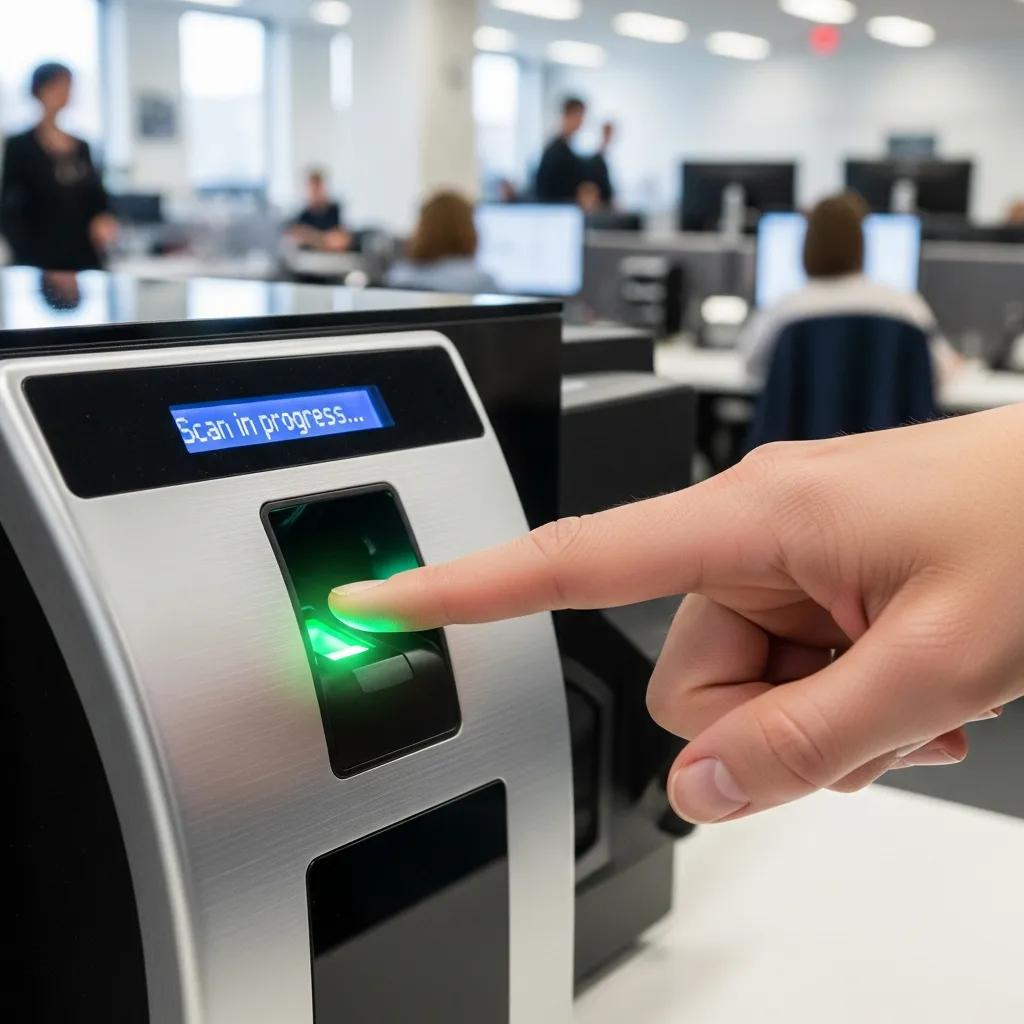
Biometric time clocks utilize unique physical characteristics, such as fingerprints or facial recognition, to verify employee identity. This technology significantly reduces the risk of buddy punching, where one employee clocks in for another. By ensuring that only authorized personnel can log their hours, biometric systems enhance the accuracy of attendance records and improve overall accountability.
What Are the Benefits of Mobile Time Clock Apps for Remote Workforce Tracking?

Mobile time clock apps offer significant advantages for tracking remote employees. These benefits include:
- Flexibility for Remote Workers: Employees can clock in and out from any location, accommodating various work environments.
- Real-Time Tracking: Managers can monitor attendance and productivity in real-time, regardless of employee location.
- User Engagement: Mobile apps often include features that encourage employee engagement, such as notifications and reminders.
These advantages make mobile time clock apps an essential tool for businesses with a remote workforce.
The development of specialized mobile applications further demonstrates the potential for automatic work hour tracking, particularly for complex schedules and remote staff.
How Does Workforce Time Management Integrate with Payroll and HR Systems?
Integrating workforce time management with payroll and HR systems is vital for streamlining operations. This integration allows for automatic data transfer, reducing the need for manual entry and minimizing errors.
What Are the Advantages of Payroll Integration with Time Tracking Solutions?
Integrating payroll with time tracking solutions offers several key advantages:
- Reduction of Errors: Automated data transfer minimizes the risk of human error in payroll calculations.
- Time Savings: Streamlined processes save time for HR personnel, allowing them to focus on strategic initiatives.
- Improved Reporting: Enhanced reporting capabilities provide insights into labor costs and employee performance.
These benefits contribute to a more efficient payroll process, ensuring that employees are compensated accurately and on time.
How Do Time Logs Support Compliance with Labor Laws and Regulations?
Time logs play a critical role in ensuring compliance with labor laws and regulations. Accurate records of employee hours worked are essential for meeting legal requirements related to overtime, breaks, and minimum wage. By maintaining detailed time logs, businesses can protect themselves from potential legal issues and ensure fair treatment of employees.
What Are the Latest Trends in Employee Time Tracking Technology?
The landscape of employee time tracking technology is continually evolving, with new trends emerging to enhance functionality and user experience. Staying informed about these trends is crucial for businesses looking to optimize their time management processes.
How Is AI Driving Innovation in Time Tracking and Productivity Analytics?
Artificial intelligence (AI) is revolutionizing time tracking by providing advanced analytics and insights. AI-driven tools can analyze employee work patterns, predict productivity trends, and identify areas for improvement. This technology enables businesses to make data-driven decisions that enhance overall efficiency and employee satisfaction.
What Role Does Remote Employee Time Tracking Play in Modern Workforce Management?
Remote employee time tracking has become increasingly important as more organizations adopt flexible work arrangements. Effective tracking solutions help businesses maintain oversight of remote teams, ensuring accountability and productivity. By leveraging technology, companies can create a cohesive work environment that supports both in-office and remote employees.
How Can Businesses Choose the Right Time Tracking Solution for Their Needs?
Selecting the right time tracking solution is essential for maximizing the benefits of these tools. Businesses should consider several factors when making their choice.
What Factors Should Be Considered When Selecting Digital Time Clock Software?
When evaluating digital time clock software, businesses should consider:
- Cost Considerations: Assess the total cost of ownership, including subscription fees and implementation costs.
- Feature Requirements: Identify essential features that align with business needs, such as mobile access and reporting capabilities.
- User Experience: Ensure the software is user-friendly for both employees and managers to facilitate adoption.
These factors will help businesses select a solution that meets their specific requirements and enhances their time management processes.
How Do User Testimonials and Case Studies Inform Software Selection?
User testimonials and case studies provide valuable insights into the effectiveness of time tracking solutions. By examining real-world examples, businesses can gauge the impact of different software options on productivity and employee satisfaction. This information can guide decision-making and help organizations choose a solution that aligns with their goals.
This table highlights the essential features of modern time tracking solutions and their corresponding benefits, emphasizing the importance of selecting the right software for effective workforce management.
In conclusion, employee time tracking apps are invaluable tools for optimizing workforce attendance and management. By understanding their features, benefits, and the latest trends in technology, businesses can make informed decisions that enhance productivity and compliance. As organizations continue to adapt to changing work environments, investing in effective time tracking solutions will be crucial for success.