
Time Card Time Clock: How to Track Employee Hours Accurately

Employee Time Tracking Software: How to Use Time Card Time Clocks to Track Employee Hours Accurately
Accurate employee time tracking is essential for businesses aiming to optimize productivity and ensure compliance with labor laws. “Time card time clocks” serve as a reliable solution for recording employee hours, providing a systematic approach to attendance management. This article delves into the various types of time card time clocks, their functionalities, and the benefits they offer in enhancing workforce management. Readers will learn about manual and digital systems, the advantages of biometric clocks, and best practices for implementing effective time tracking processes. Additionally, we will explore how these systems integrate with payroll and the importance of compliance in time tracking.
The shift from traditional, manual methods to automated time tracking systems is widely recognized for its ability to significantly boost operational efficiency and accountability.
What Are the Different Types of Time Card Time Clocks?
Time card time clocks come in various forms, each designed to meet specific business needs. The primary types include:
- Manual Time Clocks: These traditional devices require employees to punch in and out using a physical card. While straightforward, they can lead to inaccuracies due to human error.
- Digital Time Clocks: These systems automate the time tracking process, allowing employees to log hours electronically. They often include features like reporting and analytics to streamline management.
- Biometric Time Clocks: Utilizing fingerprint or facial recognition technology, biometric clocks enhance security and accuracy by ensuring that only authorized personnel can clock in or out.
Understanding these types helps businesses choose the right solution for their workforce management needs.
How Do Manual Time Card Systems Work?
Manual time card systems operate by requiring employees to record their hours on a physical card. Employees typically insert their time card into the clock, which stamps the time of entry and exit. This method, while simple, presents several challenges:
- Human Error: Employees may forget to clock in or out, leading to inaccurate records.
- Time Theft: Buddy punching, where one employee clocks in for another, can result in lost revenue.
- Data Management: Collecting and processing manual time cards can be time-consuming and prone to errors.
Despite these challenges, manual systems can be effective in smaller operations where technology may not be feasible.
What Are the Benefits of Digital and Biometric Time Clocks?
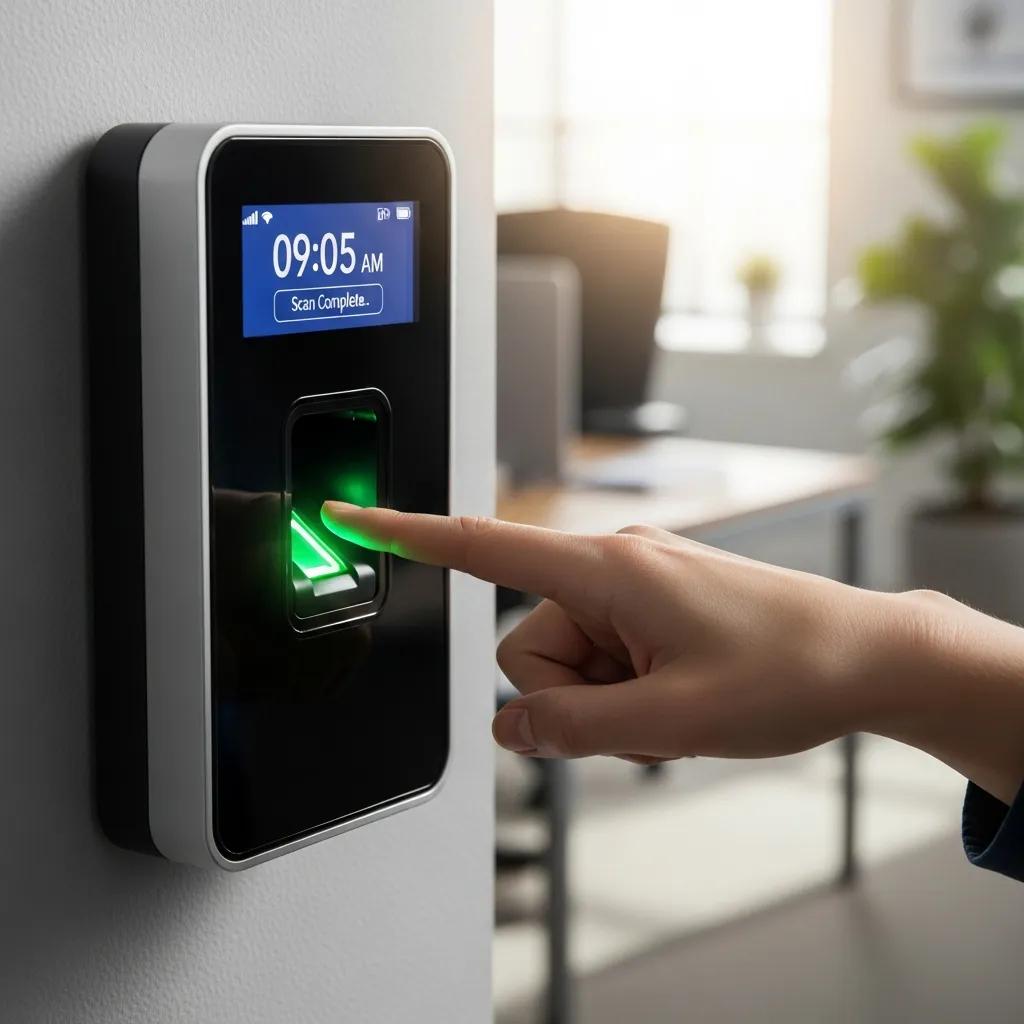
Digital and biometric time clocks offer numerous advantages over traditional manual systems. Key benefits include:
- Increased Accuracy: Digital systems minimize human error by automating the time tracking process, ensuring precise records.
- Reduced Time Theft: Biometric clocks prevent buddy punching and unauthorized access, safeguarding against time theft.
- Integration with Payroll: Many digital and biometric systems seamlessly integrate with payroll software, streamlining the payment process and reducing administrative burdens.
These benefits highlight the importance of adopting modern time tracking solutions to enhance operational efficiency.
The comparison illustrates how digital and biometric time clocks provide superior functionality compared to manual systems, making them a worthwhile investment for businesses.
How to Implement Accurate Employee Time Tracking Processes?
Implementing effective time tracking processes involves several key steps:
- Choose the Right System: Assess your business needs and select a time clock that aligns with your operational requirements.
- Train Employees: Provide comprehensive training on how to use the time clock system effectively, emphasizing the importance of accurate time reporting.
- Monitor Compliance: Regularly review time records to ensure adherence to company policies and labor laws.
By following these steps, businesses can establish a robust time tracking system that enhances productivity and compliance.
What Are Best Practices for Using Time Clocks to Record Employee Hours?
To maximize the effectiveness of time clocks, consider the following best practices:
- Regular Audits: Conduct periodic audits of time records to identify discrepancies and ensure accuracy.
- Employee Training: Continuously educate employees on the importance of accurate timekeeping and how to use the system effectively.
- System Updates: Keep the time clock software updated to benefit from the latest features and security enhancements.
Implementing these practices can significantly improve the reliability of time tracking systems.
How Can Time Clock Apps Improve Attendance Management?
Time clock apps provide a modern solution for attendance management, offering features that enhance usability and accessibility. Key advantages include:
- Mobile Access: Employees can clock in and out from their smartphones, making it easier to manage attendance remotely.
- Real-Time Tracking: Managers can monitor attendance in real-time, allowing for quick adjustments and better workforce management.
- User-Friendly Interfaces: Many apps are designed with intuitive interfaces, making them easy for employees to navigate.
These features contribute to a more efficient attendance management process.
How Do Time Card Time Clocks Integrate with Payroll Systems?
Time card time clocks can seamlessly integrate with payroll systems, providing several benefits:
- Streamlining Payroll Processes: Automated time tracking reduces the time spent on manual data entry, allowing payroll to be processed more efficiently.
- Reducing Errors: Integration minimizes the risk of errors associated with manual data transfer, ensuring accurate payroll calculations.
- Compliance Benefits: Accurate time records help businesses comply with labor laws and regulations, reducing the risk of penalties.
This integration is crucial for maintaining an efficient and compliant payroll process.
What Are the Advantages of Payroll Automation Through Time Clock Integration?
Integrating time clocks with payroll systems offers several advantages:
- Efficiency Gains: Automation reduces the time spent on payroll processing, allowing HR teams to focus on strategic initiatives.
- Cost Savings: By minimizing errors and streamlining processes, businesses can save on labor costs associated with payroll management.
- Improved Accuracy: Automated systems ensure that employee hours are accurately reflected in payroll, reducing disputes and enhancing employee satisfaction.
These advantages underscore the value of investing in integrated time tracking and payroll solutions.
Which Integration Methods Ensure Compliance and Accuracy?
To ensure compliance and accuracy in time tracking, businesses should consider the following integration methods:
- API Integrations: Utilizing APIs allows for seamless data transfer between time clocks and payroll systems, ensuring real-time updates.
- Cloud-Based Solutions: Cloud technology enables remote access to time tracking data, facilitating compliance monitoring from anywhere.
- Regular Software Updates: Keeping software up to date ensures that businesses benefit from the latest compliance features and security measures.
Implementing these methods can significantly enhance the reliability of time tracking systems.
How to Prevent Time Theft and Errors with Time Card Time Clocks?
Preventing time theft and errors is critical for maintaining accurate employee records. Effective strategies include:
- Monitoring Systems: Regularly review time records for anomalies that may indicate time theft or errors.
- Employee Accountability: Encourage employees to take responsibility for their timekeeping, fostering a culture of integrity.
- Regular Audits: Conduct audits to identify and rectify discrepancies in time records.
These strategies can help businesses maintain accurate and reliable time tracking systems.
While automated systems are powerful tools against time theft, it’s crucial to acknowledge that they also present new challenges for employers to ensure full compliance with labor laws and prevent wage manipulation.
What Security Features Do Biometric Time Clocks Offer?
Biometric time clocks provide enhanced security through various features:
- Data Protection: Biometric data is encrypted, ensuring that sensitive information is safeguarded against unauthorized access.
- User Authentication: Only authorized personnel can clock in or out, reducing the risk of time theft.
- Fraud Prevention: The unique nature of biometric identification makes it nearly impossible for employees to falsify their attendance.
These security features make biometric time clocks a valuable investment for businesses concerned about time theft.
Reinforcing these security advantages, studies confirm that multi-biometric authentication frameworks are highly effective in preventing attendance fraud like ‘buddy punching’.
How Can Cloud-Based Solutions Enhance Time Theft Prevention?
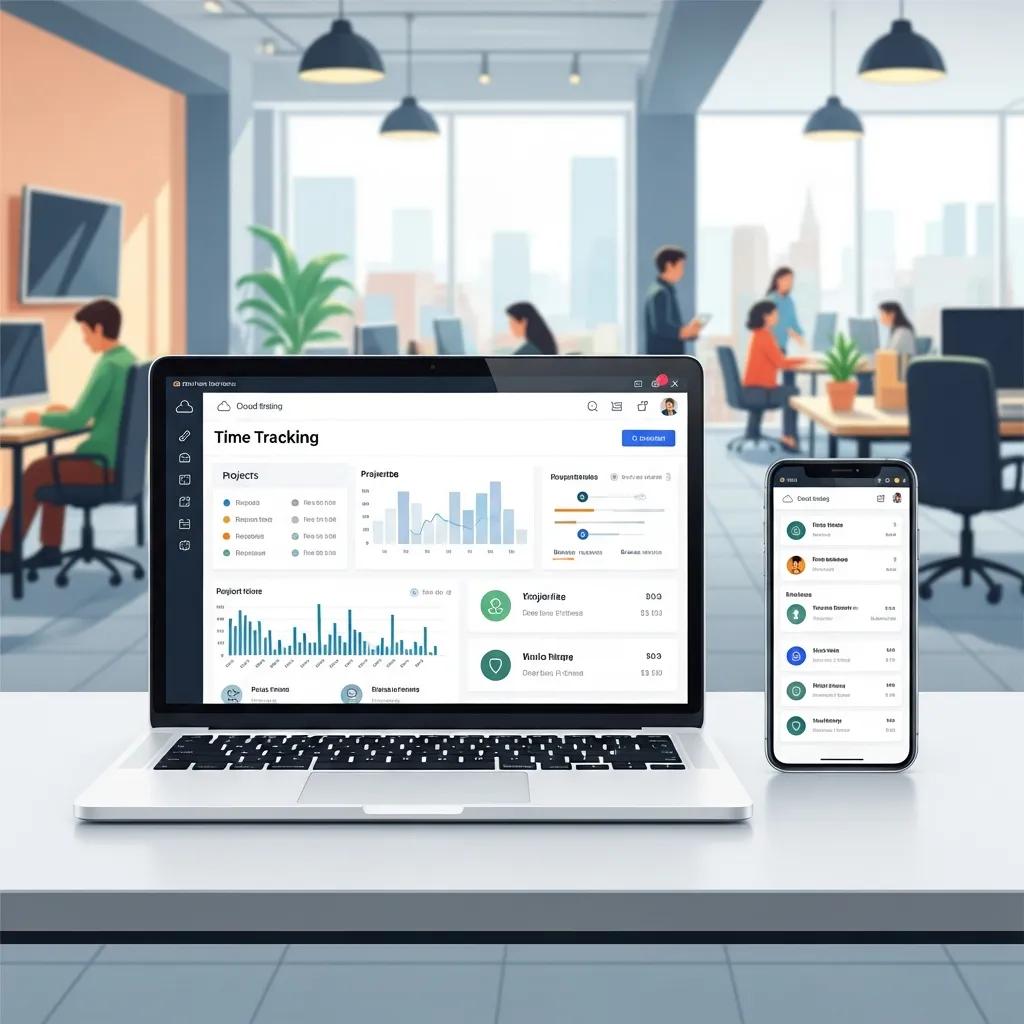
Cloud-based time tracking solutions offer several benefits for preventing time theft:
- Remote Access: Managers can monitor attendance from anywhere, allowing for real-time oversight of employee hours.
- Data Security: Cloud solutions often include robust security measures to protect sensitive employee information.
- Real-Time Updates: Instant updates ensure that any discrepancies are addressed promptly, reducing the potential for time theft.
These advantages highlight the importance of adopting cloud-based solutions for effective time tracking.
What Are the Compliance and Labor Law Considerations for Time Tracking in 2026?
As labor laws evolve, businesses must stay informed about compliance requirements for time tracking. Key considerations include:
- Current Regulations: Familiarize yourself with local and federal labor laws regarding employee time tracking and reporting.
- Future Trends: Stay updated on emerging trends that may impact time tracking practices, such as remote work policies.
- Employer Responsibilities: Understand your obligations as an employer to maintain accurate time records and ensure compliance.
Being proactive in these areas can help businesses avoid legal pitfalls and maintain compliance.
How Do Time Clocks Help Meet Labor Compliance Requirements?
Time clocks play a crucial role in meeting labor compliance requirements by:
- Tracking Hours Accurately: Automated systems ensure that employee hours are recorded accurately, reducing the risk of disputes.
- Reporting Requirements: Time clocks can generate reports that help businesses comply with labor regulations and provide necessary documentation.
- Employee Rights: Accurate time tracking supports employee rights by ensuring that they are compensated fairly for their work.
These functions are essential for maintaining compliance and protecting employee rights.
What Updates Should Businesses Monitor for Accurate Time Tracking?
To ensure effective time tracking, businesses should monitor the following updates:
- Technological Advancements: Stay informed about new technologies that can enhance time tracking processes.
- Regulatory Changes: Keep abreast of changes in labor laws that may impact time tracking requirements.
- Best Practices: Regularly review industry best practices to ensure that your time tracking processes remain effective and compliant.
By staying updated, businesses can maintain accurate and efficient time tracking systems.