
The Best Hour Tracking App: Track Employee Hours Easily
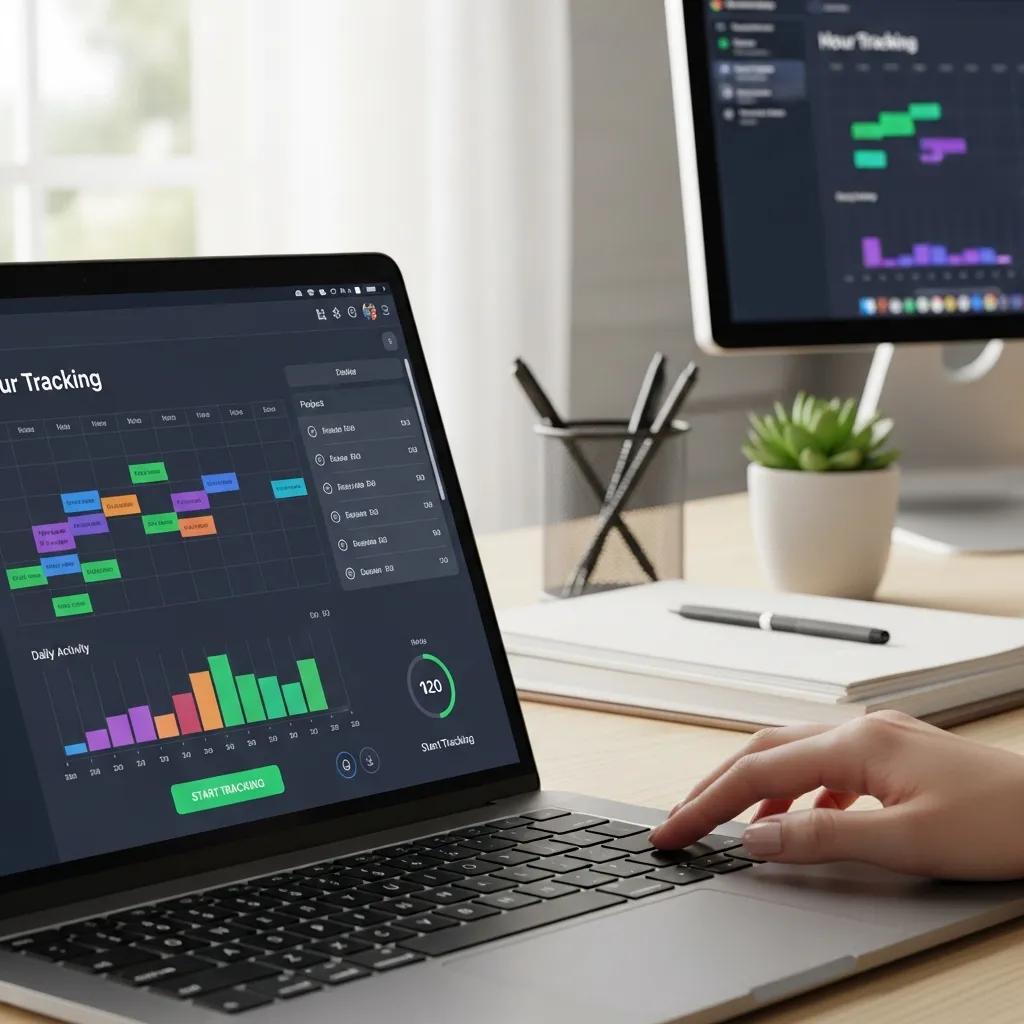
Comprehensive Guide to Employee Time Tracking: Optimize Work Hours and Project Management
Effective employee time tracking is essential for optimizing work hours and enhancing project management. This guide delves into various methods of tracking employee hours, the benefits of accurate timekeeping, and the features that define the best hour tracking software. Many organizations struggle with inefficiencies in time management, leading to lost productivity and increased labor costs. By implementing effective time tracking solutions, businesses can streamline operations and help ensure compliance with labor regulations. This article will explore key methods for employee time tracking, essential software features, and best practices for managing timesheets, ultimately helping organizations improve productivity and compliance.
Indeed, the shift from traditional methods to automated systems is crucial for addressing long-standing challenges in workforce management.
What Are the Key Methods for Employee Time Tracking?
Employee time tracking can be accomplished through various methods, each offering unique advantages. Traditional methods, such as punch clocks and manual timesheets, have evolved into more sophisticated digital solutions that enhance accuracy and efficiency. Modern time tracking tools leverage technology to provide real-time insights into employee hours, enabling better project management and resource allocation. Accurate time tracking not only helps in payroll processing but also provides valuable data for analyzing productivity trends and optimizing workflows.
How Do Time Clock Software and Apps Capture Work Hours?
Time clock software and apps capture work hours through various mechanisms, including biometric scanning, GPS tracking, and manual entry. These tools allow employees to clock in and out seamlessly, ensuring accurate recording of hours worked. Many applications also offer user-friendly interfaces that simplify the process for both employees and managers. Integration capabilities with other systems, such as payroll and project management software, further enhance their functionality, making them indispensable for modern workplaces.
What Are the Benefits of Using Timesheets for Time Tracking?
Using timesheets for time tracking offers several benefits that contribute to improved organizational efficiency. Firstly, they enhance accuracy in tracking hours worked, reducing the likelihood of payroll errors. Secondly, timesheets facilitate payroll processes by providing clear records of hours worked, which simplifies calculations for overtime and bonuses. Lastly, they offer insights into project management by allowing managers to analyze time spent on various tasks, helping to identify areas for improvement and optimize resource allocation.
Which Features Define the Best Hour Tracking Software?

When selecting hour tracking software, several key features should be considered to ensure it meets organizational needs. Essential features include user-friendly interfaces, mobile accessibility, and robust reporting capabilities. Additionally, integration with payroll and project management systems is crucial for streamlining operations and reducing errors. The best hour tracking software also offers customization options to cater to specific business requirements, ensuring that it aligns with existing workflows.
Integrating these features into your time tracking solution can significantly enhance productivity and compliance within your organization.
How Do Time Tracking Tools Integrate with Payroll and Project Management Systems?
Time tracking tools integrate with payroll and project management systems to streamline processes and reduce errors. By automatically syncing hours worked with payroll systems, organizations can ensure accurate compensation for employees. This integration also enhances project management by providing real-time data on labor costs, enabling managers to make informed decisions about resource allocation and project timelines. The result is a more efficient workflow that minimizes administrative burdens and maximizes productivity.
What Role Does Mobile and Remote Time Tracking Play in Modern Workforces?

Mobile and remote time tracking solutions play a crucial role in today’s flexible work environments. They provide employees with the flexibility to track their hours from anywhere, ensuring that remote workers can accurately record their time. Real-time tracking capabilities allow managers to monitor productivity and project progress, regardless of location. This adaptability not only supports employee satisfaction but also enhances overall organizational efficiency by ensuring that all hours worked are accounted for.
How Can Timesheet Management Improve Productivity and Compliance?
Effective timesheet management is vital for improving productivity and ensuring compliance with labor laws. By automating timesheet processes, organizations can reduce the administrative burden on employees and managers alike. This automation allows for quicker approvals and more accurate data collection, which is essential for compliance with labor regulations. Furthermore, a well-managed timesheet system provides valuable insights into employee performance and project costs, enabling organizations to make data-driven decisions that enhance productivity.
What Are Effective Timesheet Templates and Automation Techniques?
Effective timesheet templates and automation techniques can significantly improve the efficiency of time tracking processes. Templates should be designed to capture essential information, such as project codes, hours worked, and employee details, in a clear and concise manner. Automation techniques, such as reminders for submission and approval workflows, can streamline the process further. By utilizing these tools, organizations can ensure timely and accurate reporting of hours worked, leading to improved compliance and productivity.
How Does Timesheet Data Support Legal Compliance and Payroll Accuracy?
Timesheet data plays a critical role in supporting legal compliance and payroll accuracy. Accurate records of hours worked are essential for meeting labor law requirements, such as overtime calculations and minimum wage standards. Furthermore, maintaining detailed timesheet data helps organizations avoid potential legal issues related to wage disputes. By ensuring that timesheets are accurately completed and submitted, businesses can protect themselves from compliance-related penalties and ensure that employees are compensated fairly.
What Are the Best Practices for Project Time Tracking and Billable Hours Calculation?
Implementing best practices for project time tracking and billable hours calculation is essential for maximizing profitability and efficiency. Organizations should establish clear guidelines for tracking time on projects, ensuring that employees understand the importance of accurate reporting. Regular training sessions can help reinforce these practices and address any questions employees may have. Additionally, utilizing software that automates billable hours calculation can reduce errors and streamline the invoicing process.
How to Track Project Time Efficiently Using Hour Tracking Software?
To track project time efficiently using hour tracking software, organizations should encourage employees to log their hours daily. This practice ensures that time entries are fresh in employees’ minds, leading to more accurate reporting. Additionally, utilizing project codes within the software can help categorize hours worked, making it easier to analyze project costs and profitability. Regularly reviewing time entries can also help identify any discrepancies and ensure that all hours are accounted for.
How Is Billable Hours Calculation Automated and Verified?
Billable hours calculation can be automated through the use of specialized software that tracks time spent on specific projects. This software can automatically calculate billable hours based on predefined rates, reducing the potential for human error. Verification processes, such as cross-referencing timesheets with project deliverables, can further ensure accuracy. By automating and verifying billable hours, organizations can streamline their invoicing processes and improve cash flow.
Why Is Integrating Time Tracking with Payroll Systems Essential?
Integrating time tracking with payroll systems is essential for ensuring accurate and efficient payroll processing. This integration allows for automatic syncing of hours worked, reducing the likelihood of errors in payroll calculations. Additionally, it streamlines the approval process for timesheets, ensuring that employees are compensated promptly. By integrating these systems, organizations can enhance their operational efficiency and reduce the administrative burden associated with payroll processing.
How Does Integration Streamline Payroll Processing and Reduce Errors?
Integration between time tracking and payroll systems streamlines payroll processing by automating data transfer. This automation eliminates the need for manual data entry, which is often a source of errors. By ensuring that hours worked are accurately reflected in payroll calculations, organizations can avoid costly mistakes and ensure compliance with labor regulations. The result is a more efficient payroll process that saves time and resources.
This emphasis on automation is further supported by research highlighting its role in reducing administrative burdens and improving accuracy.
What Are the Compliance Benefits of Payroll and Time Tracking Integration?
The compliance benefits of integrating payroll and time tracking systems are significant. Accurate records of hours worked are essential for meeting labor law requirements, such as overtime calculations and minimum wage standards. By automating these processes, organizations can reduce the risk of non-compliance and potential legal issues. Furthermore, having a centralized system for tracking time and payroll data simplifies reporting and auditing processes, ensuring that organizations can easily demonstrate compliance with labor regulations.
What Are Emerging Trends in Hour Tracking Technology for 2024-2026?
As technology continues to evolve, several emerging trends in hour tracking are shaping the future of workforce management. Innovations such as artificial intelligence and biometric features are enhancing the accuracy and efficiency of time tracking solutions. These advancements are particularly relevant in the context of remote work, where traditional tracking methods may fall short. Understanding these trends can help organizations stay ahead of the curve and adopt solutions that meet the changing needs of their workforce.
How Are AI and Biometric Features Enhancing Time Tracking Accuracy?
AI and biometric features are revolutionizing time tracking by providing more accurate and secure methods for capturing employee hours. Biometric systems, such as fingerprint or facial recognition, ensure that only authorized employees can clock in and out, reducing the risk of buddy punching. AI-driven analytics can also provide insights into employee productivity patterns, helping organizations make data-driven decisions about resource allocation and project management.
What Is the Impact of Remote Work on Time Tracking Solutions?
The rise of remote work has significantly impacted time tracking solutions, necessitating the development of more flexible and accessible tools. Organizations are increasingly adopting cloud-based time tracking software that allows employees to log their hours from anywhere. This shift not only supports remote workers but also enhances overall organizational efficiency by ensuring that all hours worked are accurately recorded. As remote work continues to be a prevalent model, the demand for innovative time tracking solutions will continue to grow.