
Simplify Timekeeping with the Top Employee Time Clock App

Best Employee Time Tracking App to Clock In and Out Efficiently
In today’s fast-paced work environment, managing employee attendance effectively is crucial for businesses of all sizes. A mobile time clock app streamlines the process of clocking in and out, ensuring accurate tracking of hours worked. This article explores the functionality, benefits, and integration capabilities of employee time tracking apps, providing insights into how they can enhance workforce management. Many organizations struggle with time theft and inaccurate payroll processing, leading to financial losses and employee dissatisfaction. By leveraging a time clock app, businesses can mitigate these issues and improve overall efficiency. We will delve into how these apps work, their core features, the benefits they offer, and best practices for implementation.
Indeed, the shift from traditional methods to automated systems is a critical step in overcoming common workplace inefficiencies and financial losses.
How Does a Mobile Time Clock App Work for Employee Attendance?
A mobile time clock app allows employees to clock in and out using their smartphones, providing a convenient and efficient way to track attendance. These apps typically feature a user-friendly interface that integrates seamlessly with existing attendance management systems. Employees can log their hours in real-time, ensuring accurate records that are easily accessible for payroll processing. The convenience of mobile access also enhances employee accountability, as they can check their hours worked and request corrections if necessary.
What Are the Core Features of a Digital Time Clock Software?
Digital time clock software comes equipped with several core features that enhance its functionality:
- User-Friendly Interface: A simple and intuitive design allows employees to clock in and out with minimal training.
- Real-Time Tracking: Employees can see their hours logged in real-time, which helps in maintaining transparency.
- Integration Capabilities: The software can integrate with payroll systems, ensuring that hours worked are accurately reflected in employee paychecks.
These features collectively contribute to a more efficient time tracking process, reducing administrative burdens and errors.
Can Employees Clock In and Out Using Their Phones?
Yes, employees can easily clock in and out using their mobile devices. Most time clock apps are designed to be accessible on smartphones, allowing employees to log their hours from anywhere. This mobile accessibility is particularly beneficial for remote or field-based workers who may not have access to traditional time clocks. User authentication methods, such as biometric verification or unique PINs, ensure that the clock-in process is secure and reliable. Real-time updates keep both employees and managers informed about attendance status, further enhancing operational efficiency.
What Are the Benefits of Using a Workforce Time Management App?
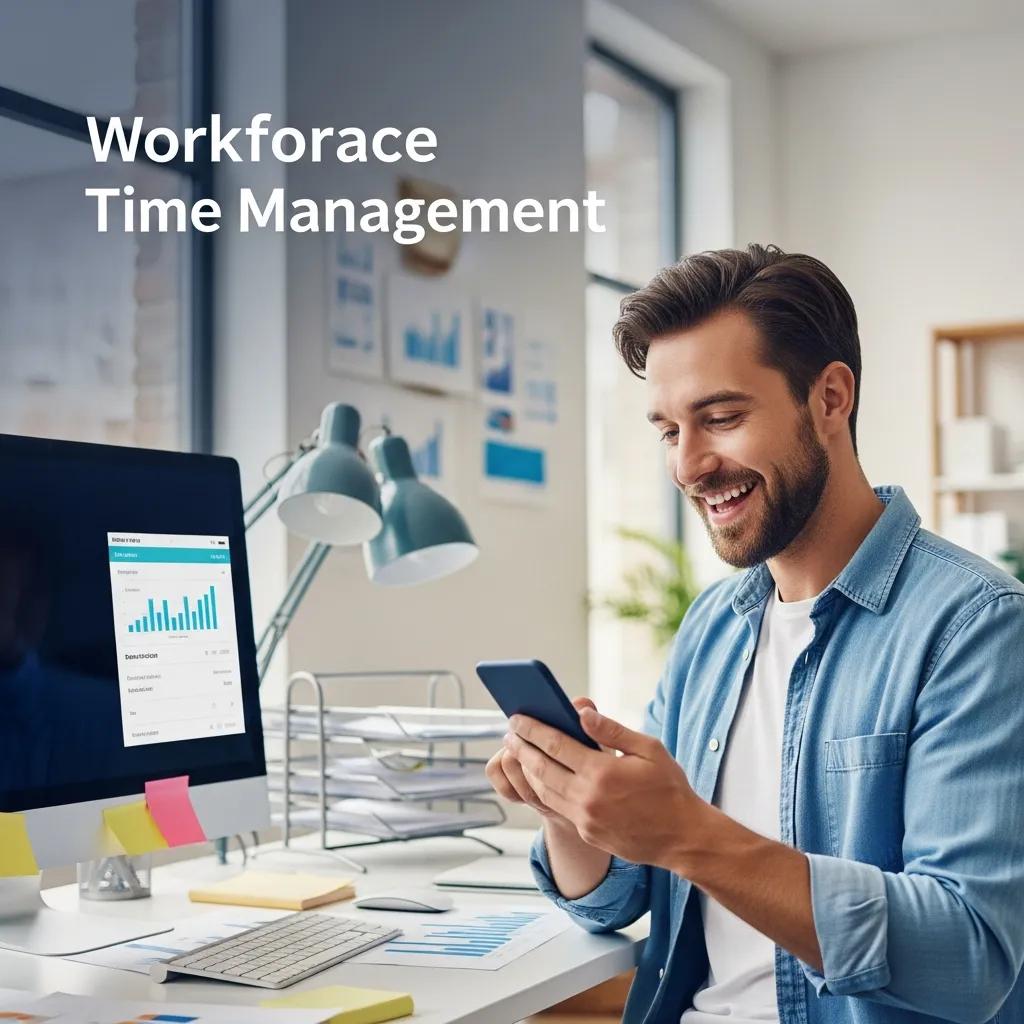
Implementing a workforce time management app offers numerous advantages that can significantly improve business operations.
- Improved Accuracy in Time Tracking: Automated systems reduce the likelihood of human error in recording hours worked.
- Enhanced Payroll Processing: Accurate time tracking leads to more efficient payroll processing, minimizing discrepancies and delays.
- Increased Employee Accountability: Employees are more likely to take ownership of their time management when they can easily track their hours.
These benefits not only streamline operations but also contribute to a more engaged and productive workforce.
How Does Real-Time Tracking Improve Payroll Accuracy?
Real-time tracking plays a crucial role in enhancing payroll accuracy. By capturing hours worked as they occur, businesses can significantly reduce payroll errors. This immediate data collection allows for faster payroll processing, ensuring that employees are paid accurately and on time. Studies indicate that companies utilizing real-time tracking experience a reduction in payroll discrepancies, though the exact percentage varies by industry and implementation, often ranging between 20% to 30%, leading to higher employee satisfaction and trust in the payroll process.
Why Is GPS Verification Important in Punch Clock Apps for Employees?
GPS verification is a vital feature in punch clock apps, providing an additional layer of security and accuracy. This technology helps prevent time theft by ensuring that employees are clocking in and out from authorized locations. By verifying the geographical location of each clock-in, businesses can maintain compliance with labor laws and protect against fraudulent time reporting. Furthermore, GPS verification enhances accountability, as employees are aware that their clock-in locations are being monitored.
How Do GPS and Biometric Time Clocks Enhance Employee Time Tracking?
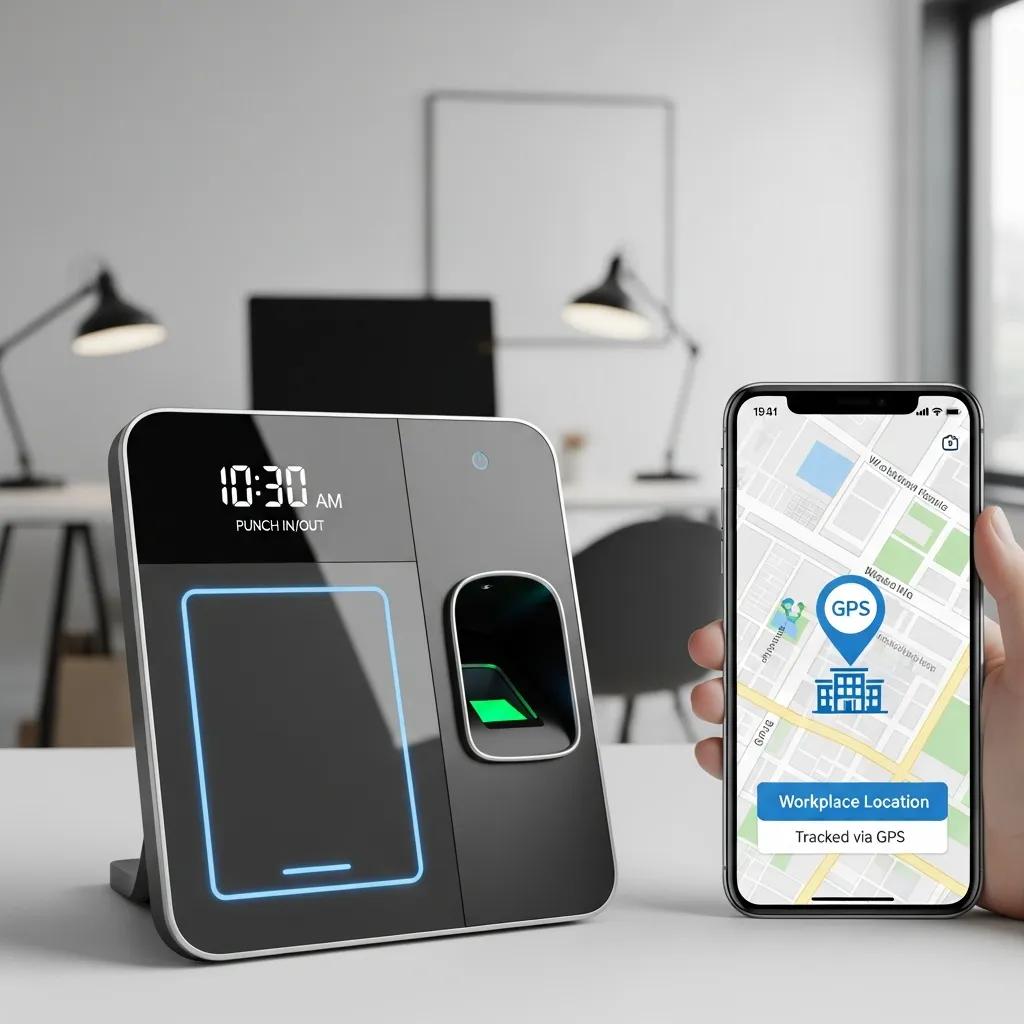
GPS and biometric time clocks represent advanced technologies that significantly enhance employee time tracking. GPS technology allows for location-based clock-ins, while biometric systems use unique physical characteristics, such as fingerprints or facial recognition, to verify employee identity.
Further emphasizing the importance of advanced solutions, organizations are increasingly leveraging sophisticated technologies to refine their time management practices.
What Is the Difference Between Biometric Authentication and GPS Location Tracking?
Biometric authentication and GPS location tracking serve different purposes in time tracking systems. Biometric authentication focuses on verifying the identity of the employee, ensuring that the person clocking in is indeed the authorized individual. In contrast, GPS location tracking verifies the physical location from which the employee is clocking in, ensuring compliance with company policies regarding where employees can log their hours. Both technologies work together to create a secure and efficient time tracking environment.
How Do Biometric Time Clocks Prevent Buddy Punching?
Biometric time clocks effectively prevent buddy punching by requiring employees to provide unique biometric data for clocking in and out. This technology eliminates the possibility of one employee clocking in for another, as each individual’s biometric data is distinct. The implementation of biometric systems has been shown to reduce instances of buddy punching by over 90%, leading to more accurate time tracking and payroll processing.
This effectiveness is further supported by research highlighting how multi-biometric authentication frameworks specifically target and mitigate attendance fraud.
How Can Time Clock Apps Integrate Seamlessly with Payroll Systems?
Integrating time clock apps with payroll systems is essential for streamlining workforce management. This integration allows for automatic data transfer between the time tracking and payroll systems, reducing the need for manual data entry and minimizing errors.
What Are the Common Payroll Integration Types for Time Tracking Apps?
Several common payroll integration types enhance the functionality of time tracking apps:
- API Integrations: These allow for real-time data exchange between the time clock app and payroll software, ensuring that hours worked are accurately reflected in payroll calculations.
- Manual Exports: Some systems allow users to export time data manually, which can then be imported into payroll systems.
- Third-Party Integrations: Many time clock apps offer compatibility with popular payroll platforms, facilitating seamless integration.
These integration types help businesses maintain accurate payroll records and improve overall efficiency.
How Does Integration Streamline Workforce Management and Payroll Processing?
Integration between time clock apps and payroll systems streamlines workforce management by automating data transfer and reducing administrative tasks. This automation leads to faster payroll processing, fewer errors, and improved reporting capabilities. By eliminating manual data entry, businesses can focus on strategic initiatives rather than administrative burdens, ultimately enhancing productivity and employee satisfaction.
What Compliance and Labor Law Considerations Should Employers Know?
Employers must be aware of various compliance and labor law considerations when implementing time clock apps. These laws govern how employee hours are tracked and reported, ensuring that businesses adhere to legal standards.
How Do Time Clock Apps Help Ensure Labor Law Compliance?
Time clock apps assist in ensuring labor law compliance by providing features that track hours worked accurately and maintain records for auditing purposes. These apps often include alerts for compliance issues, such as overtime thresholds, helping employers avoid potential legal pitfalls. By maintaining accurate records, businesses can demonstrate compliance with labor laws and protect themselves from disputes.
What Are Emerging Regulations Affecting Employee Time Tracking?
Emerging regulations are continually shaping the landscape of employee time tracking. Recent changes in labor laws may require businesses to adopt more stringent tracking methods, including enhanced reporting and data retention practices. Employers should stay informed about these regulations to ensure compliance and avoid penalties. Preparing for these changes involves regularly reviewing time tracking policies and updating systems as necessary.
What Are Best Practices for Employee Time Management Using Clock Apps?
To maximize the effectiveness of time clock apps, employers should implement best practices that enhance accuracy and efficiency in time management.
How Can Employers Maximize Accuracy and Efficiency with Punch Clock Apps?
Employers can maximize the effectiveness of punch clock apps by:
- Regular Training for Employees: Ensuring that employees are well-trained in using the app can reduce errors and improve compliance.
- Utilizing App Features: Taking advantage of all available features, such as GPS verification and biometric authentication, enhances security and accuracy.
- Monitoring Usage: Regularly reviewing clock-in and clock-out data helps identify patterns and potential issues, allowing for timely interventions.
These practices contribute to a more efficient time tracking process and foster a culture of accountability among employees.
What Are Common Challenges and How to Overcome Them?
While implementing time clock apps can offer significant benefits, businesses may face challenges such as resistance to change, technical issues, and data security concerns. To overcome these challenges, employers should: time tracking
- Communicate the Benefits: Clearly explaining the advantages of the new system can help alleviate employee concerns.
- Provide Technical Support: Ensuring that employees have access to technical support can help resolve issues quickly and maintain productivity.
- Implement Strong Security Measures: Protecting employee data through robust security protocols is essential for maintaining trust and compliance.
By addressing these challenges proactively, businesses can ensure a smooth transition to using time clock apps and enhance overall workforce management.