
scheduling shifts

Employee Shift Planner and Work Schedule Software: How to Optimize Scheduling Shifts for Efficient Workforce Management
Effective workforce management hinges on the ability to schedule shifts efficiently, ensuring that the right employees are in the right place at the right time. This article delves into the intricacies of scheduling shifts, exploring the key features of shift management tools and the benefits they offer. Readers will learn how to implement legal compliance in scheduling, best practices for employee shift planning, and the transformative role of AI in shift scheduling solutions. By addressing common challenges in workforce management, this guide aims to provide actionable insights for optimizing scheduling shifts and enhancing overall productivity.
What Are the Key Features of Shift Management Tools and Rota Scheduling Systems?
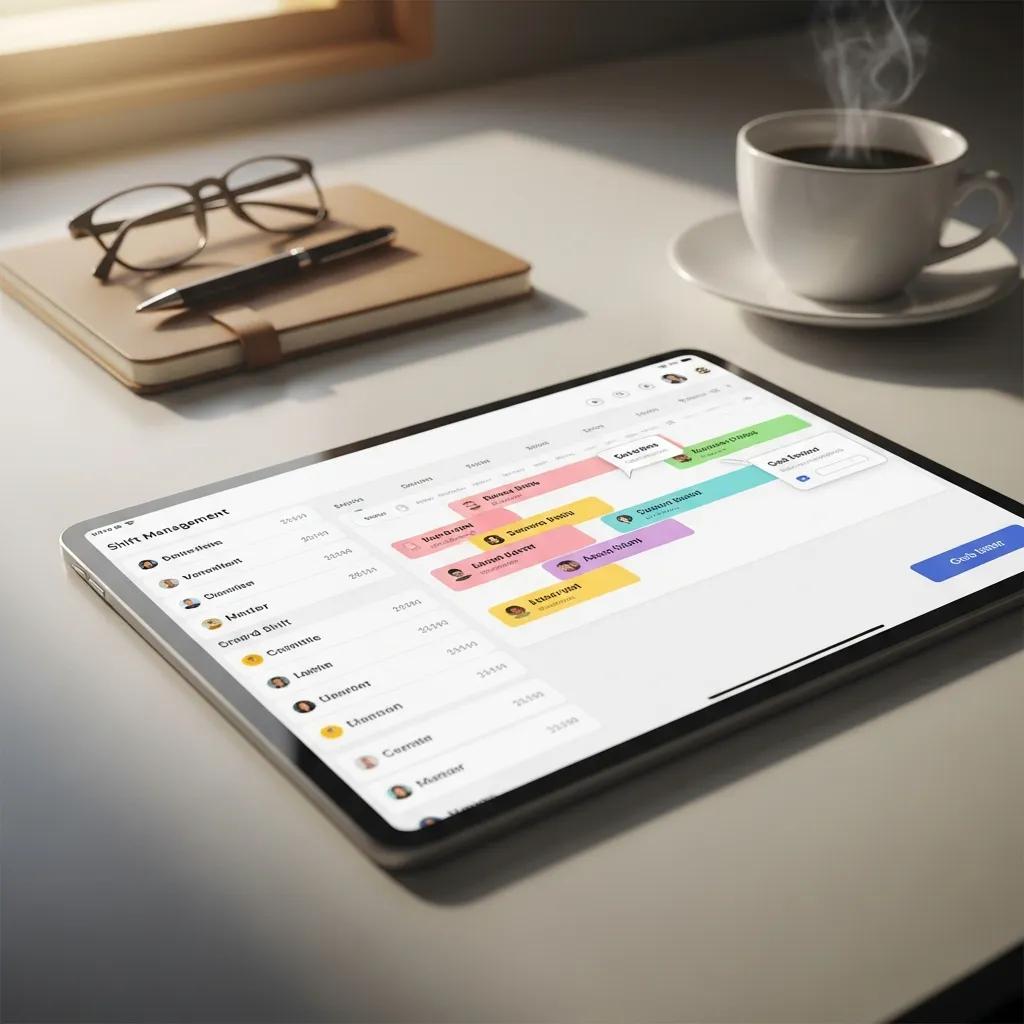
Shift management tools and rota scheduling systems are designed to streamline the process of scheduling shifts, making it easier for managers to allocate resources effectively. These tools typically include features such as real-time updates, user-friendly interfaces, and automated notifications, which collectively enhance the efficiency of shift planning. By leveraging these features, organizations can reduce scheduling conflicts and improve employee satisfaction.
How Do Shift Pattern Software and Employee Scheduling Apps Improve Shift Planning?
Shift pattern software and employee scheduling apps significantly enhance shift planning by automating many of the manual processes involved. These applications allow managers to create and modify schedules quickly, ensuring that shifts are filled according to employee availability and preferences. The efficiency improvements lead to better resource allocation, reduced overtime costs, and increased employee morale due to more predictable work hours.
Which Features Support Shift Swaps and Coverage Management?
Effective shift swaps and coverage management are critical for maintaining operational continuity. Key features that support these functions include:
- Shift Swap Functionalities: Allow employees to easily exchange shifts with one another, fostering a collaborative work environment.
- Coverage Management Tools: Enable managers to identify gaps in coverage and fill them promptly, ensuring that all shifts are adequately staffed.
- User Notifications: Automated alerts keep employees informed about their schedules and any changes, reducing confusion and last-minute absences.
How Can You Implement Legal Compliance in Scheduling Shifts?
Implementing legal compliance in scheduling shifts is essential for avoiding potential legal issues and ensuring fair labor practices. Organizations must be aware of labor laws that dictate work hours, overtime pay, and employee rights. By utilizing scheduling software that incorporates compliance features, businesses can streamline this process and maintain adherence to regulations.
Research further emphasizes the role of shift scheduling software in ensuring adherence to labor laws and optimizing operational efficiency.
What Labor Law Considerations Affect Employee Work Hours and Shift Assignments?
Labor laws play a crucial role in determining how employee work hours and shift assignments are structured. Key considerations include:
- Maximum Work Hours: Regulations often stipulate the maximum number of hours an employee can work in a day or week, which must be adhered to in scheduling.
- Overtime Pay: Understanding when overtime pay applies is vital for compliance and budgeting.
- Rest Periods: Laws may require specific rest periods between shifts, impacting how schedules are created.
How to Ensure Compliance Status Using Shift Scheduling Software?
Shift scheduling software can help organizations ensure compliance with labor laws through features such as:
- Compliance Tracking Features: Monitor employee hours to ensure they do not exceed legal limits.
- Reporting Capabilities: Generate reports that provide insights into labor law compliance, helping managers make informed decisions.
- User Training for Compliance: Educate employees on their rights and the importance of compliance, fostering a culture of awareness.
What Are Best Practices for Employee Shift Planning and Work Schedule Optimization?
Optimizing employee shift planning involves implementing best practices that enhance efficiency and employee satisfaction. By managing employee availability effectively and avoiding scheduling conflicts, organizations can create a more harmonious work environment.
In fact, advanced techniques like robust optimization are being applied to address uncertainties in workload predictions during shift generation.
How to Manage Employee Availability and Avoid Scheduling Conflicts?
To manage employee availability and minimize scheduling conflicts, consider the following strategies:
- Collecting Availability Data: Regularly gather information on employee availability to create schedules that accommodate personal commitments.
- Communicating with Employees: Maintain open lines of communication regarding scheduling preferences and changes.
- Using Scheduling Tools: Leverage technology to automate the scheduling process, reducing the likelihood of conflicts.
What Strategies Enhance Shift Coverage and Reduce Overtime?
Enhancing shift coverage while minimizing overtime can be achieved through:
- Effective Shift Planning: Create schedules that align with peak business hours and employee availability.
- Utilizing Part-Time Staff: Incorporate part-time employees to fill gaps during busy periods without incurring overtime costs.
- Monitoring Overtime Hours: Regularly review employee hours to identify trends and adjust schedules accordingly.
How Is AI and Automation Transforming Shift Scheduling Solutions?

AI and automation are revolutionizing shift scheduling by introducing advanced features that optimize the scheduling process. These technologies enable organizations to respond to changing workforce needs with agility and precision.
What AI-Driven Features Optimize Automatic Shift Scheduling?
AI-driven features that enhance automatic shift scheduling include:
- Predictive Scheduling: Algorithms analyze historical data to forecast staffing needs, helping ensure optimal coverage.
- Automated Notifications: Employees receive real-time updates about their schedules, reducing confusion and improving communication.
- Data Analysis Capabilities: AI tools provide insights into scheduling patterns, helping managers make informed decisions.
Further studies highlight how these AI-driven systems leverage advanced algorithms to forecast staffing needs and optimize workforce schedules.
How Do Employee Self-Service Tools Improve Shift Management?
Employee self-service tools empower workers by allowing them to manage their schedules directly. Benefits include:
- Empowering Employees: Workers can request time off, swap shifts, and view their schedules, leading to increased job satisfaction.
- Reducing Administrative Burden: Managers spend less time on scheduling tasks, allowing them to focus on strategic initiatives.
- Improving Communication: Self-service tools facilitate better communication between employees and management regarding scheduling needs.
Which Shift Scheduling Software Options Best Integrate with Payroll and Reporting Systems?
Integrating shift scheduling software with payroll and reporting systems is crucial for streamlining operations and ensuring accurate compensation. Effective integration can enhance reporting capabilities and improve overall efficiency.
How Do Workforce Scheduling Solutions Support Reporting and Analytics?
Workforce scheduling solutions provide robust reporting features that support analytics by:
- Types of Reports Available: Offering insights into employee hours, overtime, and compliance status.
- Analytics for Decision-Making: Data-driven insights help managers optimize scheduling and resource allocation.
- User-Friendly Reporting Tools: Simplifying the reporting process for managers, making it easier to access and interpret data.
What Are the Pricing Models and Software Versions Available?
When considering shift scheduling software, organizations should evaluate various pricing models and software versions. Common options include:
- Subscription-Based Models: Monthly or annual fees that provide access to software features.
- Tiered Pricing: Different levels of service based on organizational needs and size.
- Free Trials: Many providers offer trial periods to assess software functionality before committing.
Different shift scheduling software options cater to various organizational needs, making it essential to choose a solution that aligns with specific operational requirements. By understanding the features and benefits of these tools, businesses can enhance their workforce management strategies and improve overall efficiency.