
Online Clocking: The Modern Way to Track Employee Time
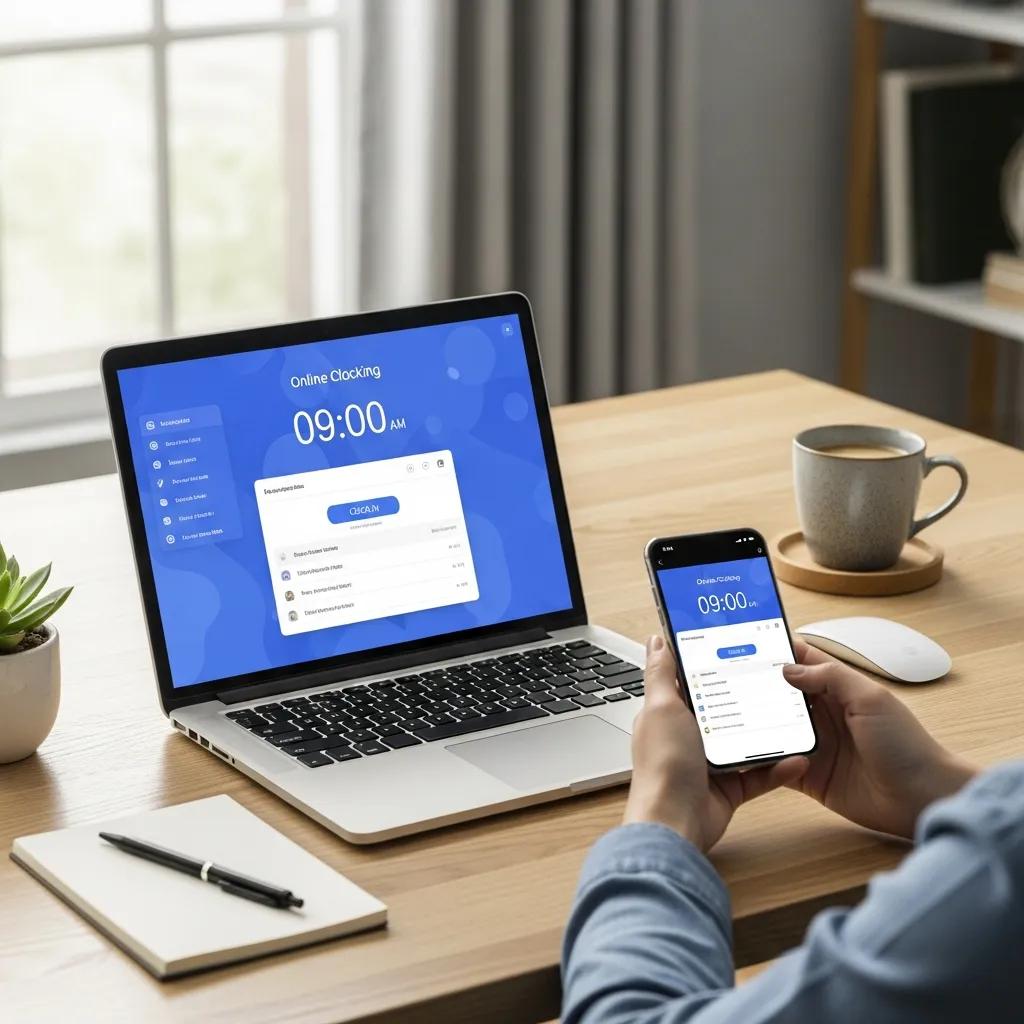
Online Clocking for Remote Workforce Time Tracking by PunchPro
In an era where remote work is becoming the norm, effective employee time tracking is essential for maintaining productivity and accountability. Online clocking systems have emerged as a modern solution, allowing businesses to monitor employee hours seamlessly, regardless of location. This article delves into the intricacies of online clocking, exploring its benefits, functionalities, and the various systems available. Readers will gain insights into how these systems enhance workforce management, ensure compliance with labor regulations, and integrate with payroll systems. As organizations strive to adapt to the evolving work landscape, understanding online clocking’s role becomes increasingly vital.
What is Online Clocking and How Does It Improve Employee Time Tracking?
Online clocking refers to digital systems that allow employees to record their working hours through various devices, such as computers or mobile applications. This technology streamlines the time-tracking process, reducing the likelihood of errors associated with manual entry. By automating attendance records, online clocking enhances accuracy and provides real-time data access, which is crucial for effective workforce management. The result is a more efficient tracking system that not only saves time but also improves overall productivity.
How Do Digital Time Clock Systems Work for Remote Employees?
Digital time clock systems function by enabling employees to clock in and out using internet-connected devices. These systems often include features such as geolocation tracking, which verifies the employee’s location when they clock in, ensuring that remote workers are accurately accounted for. Additionally, these systems can integrate with existing HR and payroll software, allowing for seamless data transfer and reducing administrative burdens. This integration ensures that employee hours are recorded accurately and efficiently, facilitating timely payroll processing.
What Are the Benefits of Using Cloud Based Attendance Tracking?
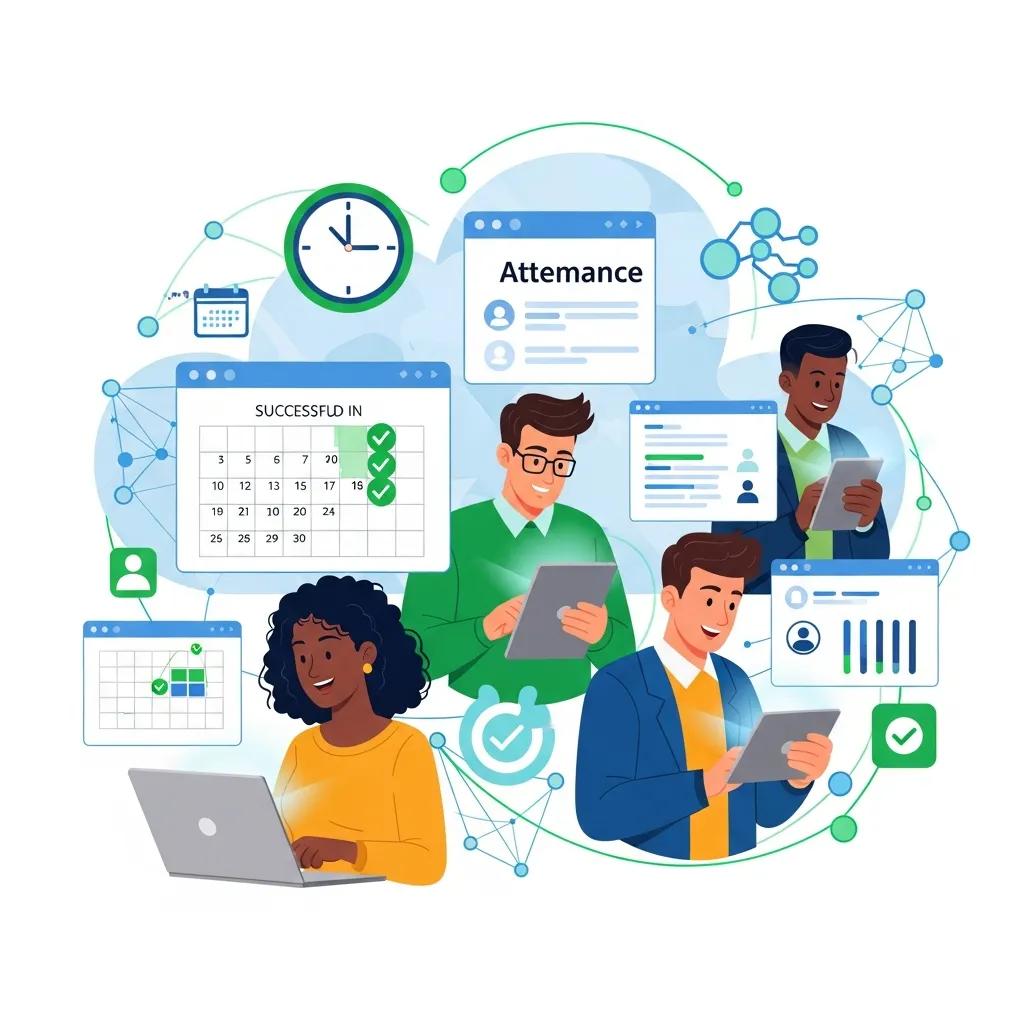
Cloud-based attendance tracking offers several advantages that enhance the efficiency of time management in organizations. Key benefits include:
- Real-Time Data Access: Managers can monitor employee attendance and hours worked in real-time, allowing for immediate adjustments and oversight.
- Cost-Effectiveness: By reducing the need for physical time clocks and manual record-keeping, businesses can save on operational costs.
- Scalability: Cloud solutions can easily scale with the growth of a business, accommodating more users without significant additional investment.
For organizations looking to optimize their time tracking processes, cloud-based solutions provide a flexible and efficient alternative to traditional methods.
Which Types of Online Clocking Systems Are Available?
Various online clocking systems cater to different organizational needs. These include:
These systems provide diverse options for businesses to choose from, ensuring that they can find a solution that fits their specific requirements.
How Do Biometric Time Clocks Enhance Security and Accuracy?
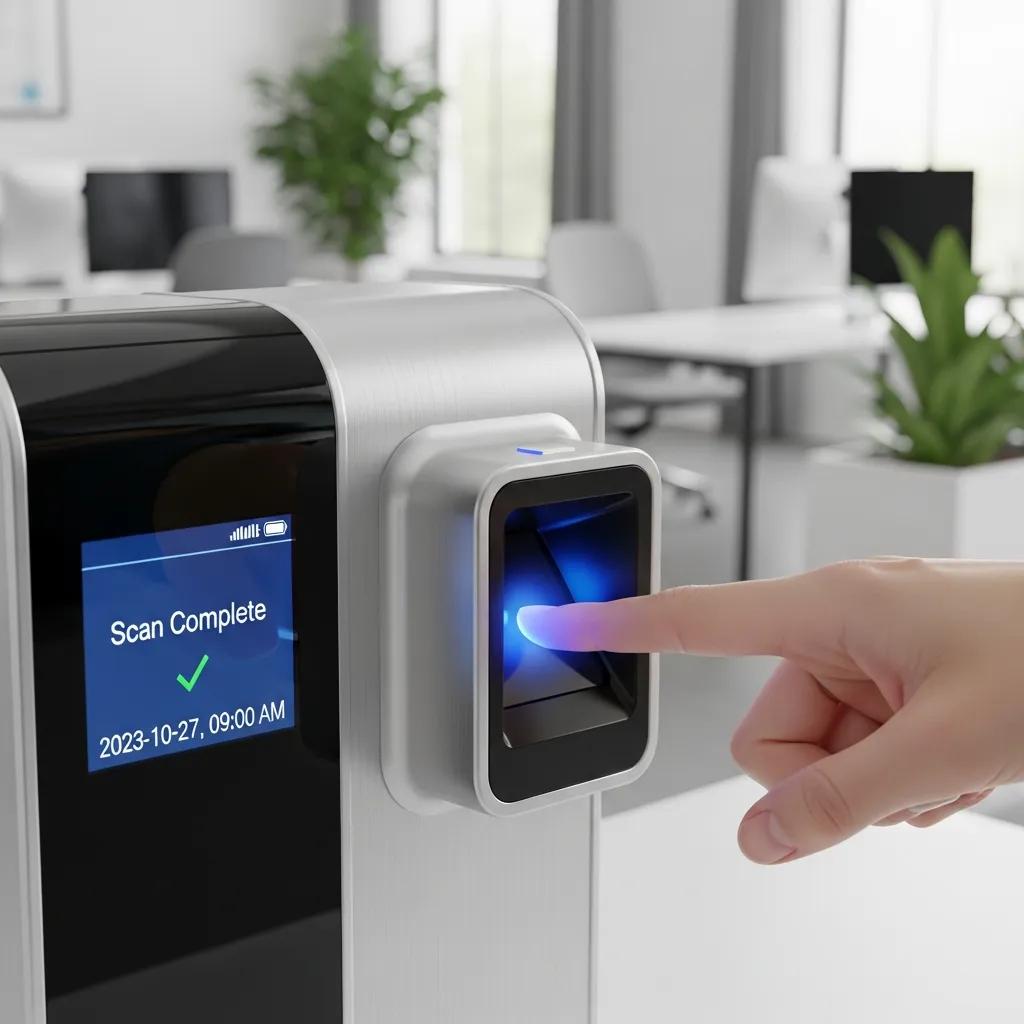
Biometric time clocks utilize unique physical characteristics, such as fingerprints or facial recognition, to verify employee identity. This technology significantly enhances security by preventing buddy punching, where one employee clocks in for another. Additionally, biometric systems improve accuracy in time tracking, as they eliminate the potential for human error associated with manual entry. By ensuring that only authorized personnel can clock in, organizations can maintain integrity in their attendance records.
What Are the Differences Between Mobile App and Web Based Time Clocks?
Mobile app and web-based time clocks serve similar purposes but differ in accessibility and functionality.
- Accessibility: Mobile apps allow employees to clock in from anywhere, making them ideal for remote work environments. In contrast, web-based systems require access to a computer with internet connectivity.
- User Experience: Mobile apps often provide a more user-friendly interface, designed for quick interactions, while web-based systems may offer more comprehensive features for management.
- Functionality: Mobile apps may include additional features such as push notifications for reminders, whereas web-based systems might offer more robust reporting and analytics tools.
Understanding these differences helps organizations choose the right system based on their operational needs.
How Does Online Clocking Ensure Compliance with Labor Regulations?
Online clocking systems play a crucial role in ensuring compliance with labor regulations by maintaining accurate records of employee hours worked. These systems automatically generate reports that can be used for audits, helping organizations adhere to labor laws regarding overtime, breaks, and minimum wage requirements. By providing transparent and accessible records, online clocking systems reduce the risk of compliance violations and potential legal issues.
Indeed, the broader concept of digital supervision through electronic monitoring is increasingly recognized as a powerful tool for upholding labor rights and ensuring regulatory adherence.
What Are the Latest 2026 Labor Compliance Updates Affecting Time Tracking?
As of 2026, several labor compliance updates have been introduced that impact time tracking practices. Key updates include:
- Increased Overtime Regulations: New rules have expanded the criteria for overtime eligibility, requiring businesses to adjust their tracking systems accordingly.
- Mandatory Break Tracking: Employers are now required to track employee breaks more rigorously, ensuring compliance with new labor standards.
- Remote Work Guidelines: Regulations have been established to protect remote workers, necessitating accurate tracking of hours worked outside traditional office settings.
These updates highlight the importance of utilizing modern time tracking solutions that can adapt to changing regulations.
How Do Digital Time Clocks Support Audit and Reporting Requirements?
Digital time clocks facilitate compliance with audit and reporting requirements by providing detailed records of employee attendance and hours worked. These systems automatically generate reports that can be easily accessed and reviewed during audits, ensuring that organizations can demonstrate compliance with labor laws. The ability to produce accurate and timely reports not only aids in regulatory compliance but also enhances overall operational transparency.
How Can Online Clocking Integrate with Payroll and HR Systems?
Online clocking systems can seamlessly integrate with payroll and HR systems, streamlining the process of managing employee hours and payroll calculations. This integration allows for automatic data transfer, reducing the need for manual entry and minimizing errors. Key benefits of this integration include:
- Efficiency Improvements: Automated data transfer speeds up payroll processing, ensuring employees are paid accurately and on time.
- Error Reduction: By eliminating manual data entry, organizations can significantly reduce the risk of payroll errors.
- Data Synchronization: Integration ensures that employee records are consistently updated across all systems, providing a single source of truth for HR and payroll data.
This integration is essential for organizations looking to enhance their operational efficiency and accuracy.
What Are the Benefits of Payroll Integration for Workforce Management?
Integrating payroll with online clocking systems offers several benefits that enhance workforce management:
- Streamlined Processes: Payroll integration automates the calculation of hours worked, reducing administrative burdens on HR teams.
- Improved Accuracy: Automated data transfer minimizes the risk of errors associated with manual entry, ensuring that employees are compensated correctly.
- Enhanced Reporting: Integrated systems provide comprehensive reporting capabilities, allowing managers to analyze labor costs and productivity effectively.
These benefits underscore the importance of adopting integrated solutions for effective workforce management.
How Is Employee Data Securely Shared Between Systems?
The secure sharing of employee data between online clocking and payroll systems is critical for maintaining confidentiality and compliance with data protection laws. Key measures include:
- Data Encryption: Sensitive employee information is encrypted during transmission, protecting it from unauthorized access.
- Access Controls: Organizations implement strict access controls to ensure that only authorized personnel can view or modify employee data.
- Compliance with Data Protection Laws: Adhering to regulations such as GDPR ensures that employee data is handled responsibly and ethically.
These security measures are essential for building trust and ensuring compliance in the digital age.
What Advanced Features Are Available in Modern Online Clocking Software?
Modern online clocking software offers a range of advanced features designed to enhance functionality and user experience. Key features include:
- AI-Driven Time Fraud Detection: Advanced algorithms analyze clock-in patterns to identify potential time fraud, alerting managers to discrepancies.
- Customizable Settings: Organizations can tailor the software to meet their specific needs, including setting up unique reporting formats and user permissions.
- User-Friendly Interfaces: Modern software prioritizes user experience, making it easy for employees to clock in and out with minimal friction.
These advanced features contribute to the overall effectiveness of online clocking systems in managing employee time.
How Does AI-Driven Time Fraud Detection Work?
AI-driven time fraud detection utilizes machine learning algorithms to analyze employee clock-in and clock-out patterns. By establishing baseline behaviors, the system can identify anomalies that may indicate fraudulent activity, such as clocking in for a colleague. This proactive approach not only helps organizations prevent time theft but also enhances overall accountability within the workforce. The integration of AI technology represents a significant advancement in the capabilities of online clocking systems.
What Analytics and Productivity Insights Can Be Gained?
Online clocking systems provide valuable analytics and productivity insights that can inform management decisions. Key insights include:
- Attendance Trends: Analyzing attendance patterns helps identify areas for improvement, such as frequent absenteeism or tardiness.
- Labor Cost Analysis: Detailed reports on hours worked enable organizations to assess labor costs and make informed budgeting decisions.
- Productivity Metrics: By correlating attendance data with performance metrics, managers can identify high-performing teams and areas needing support.
These insights empower organizations to optimize their workforce management strategies effectively.
What Are Industry Trends and Case Studies Demonstrating Online Clocking ROI?
The adoption of online clocking systems has been on the rise, with many organizations reporting significant returns on investment (ROI). Key trends include:
- Increased Adoption of Cloud Solutions: More businesses are transitioning to cloud-based systems for their flexibility and scalability.
- Focus on Employee Experience: Organizations are prioritizing user-friendly systems that enhance the employee experience, leading to higher engagement and satisfaction.
- Case Studies of Successful Implementations: Numerous case studies demonstrate how companies have improved productivity and reduced labor costs through effective time tracking solutions.
These trends highlight the growing importance of online clocking systems in modern workforce management.
How Has Cloud Based Time Tracking Adoption Grown Since 2024?
Since 2024, the adoption of cloud-based time tracking solutions has accelerated significantly. Factors driving this growth include:
- Remote Work Trends: The shift towards remote work has necessitated flexible time tracking solutions that can accommodate a distributed workforce.
- Technological Advancements: Improvements in cloud technology have made these systems more reliable and secure, encouraging businesses to adopt them.
- Cost Savings: Organizations are increasingly recognizing the cost benefits associated with cloud solutions, including reduced infrastructure expenses.
This growth trajectory indicates a strong future for cloud-based time tracking systems as businesses continue to adapt to changing work environments.
What Case Studies Show Improved Workforce Productivity?
Several case studies illustrate the positive impact of online clocking systems on workforce productivity. Notable examples include:
- Company A: Implemented a biometric time clock system, resulting in a 20% reduction in time theft and a 15% increase in overall productivity.
- Company B: Transitioned to a cloud-based attendance tracking system, leading to a 30% decrease in administrative time spent on payroll processing.
- Company C: Adopted mobile clocking solutions, which improved employee engagement and satisfaction, reflected in a 25% increase in retention rates.
These case studies demonstrate the tangible benefits that online clocking systems can provide to organizations seeking to enhance productivity and efficiency.