management software

Management Software Guide: Scheduling, Tracking & Workforce – PunchPro
In today’s fast-paced business environment, effective management software is essential for optimizing workforce operations. This comprehensive guide delves into the various types of management software, including employee scheduling tools, time tracking systems, and workforce solutions. Readers will learn how these tools can enhance productivity, streamline processes, and improve overall workforce management. Many organizations struggle with inefficient scheduling and time tracking, leading to decreased employee satisfaction and productivity. By implementing the right management software, businesses can address these challenges effectively. This article will cover key topics such as employee scheduling tools, time tracking software, shift planning solutions, and the latest trends in management software.
What Are Employee Scheduling Tools and How Do They Improve Workforce Management?

Employee scheduling tools are software applications designed to assist organizations in creating, managing, and optimizing employee work schedules. These tools enhance workforce management by automating scheduling processes, reducing manual errors, and improving overall efficiency. By providing real-time visibility into employee availability and workload, these tools help managers make informed decisions that align with business needs. The benefits of using employee scheduling tools include increased employee satisfaction, reduced scheduling conflicts, and improved operational efficiency.
How Does Automated Schedule Management Enhance Efficiency?
Automated schedule management significantly enhances efficiency by minimizing the time spent on manual scheduling tasks. By utilizing algorithms and data analytics, these tools can quickly generate optimal schedules that consider employee preferences, availability, and business requirements. This automation reduces the likelihood of human errors, such as double-booking shifts or overlooking employee requests. Additionally, it allows managers to focus on strategic planning rather than administrative tasks, ultimately leading to a more engaged and productive workforce.
What Features Define Effective Staff Scheduling Applications?
Effective staff scheduling applications possess several key features that contribute to their success. These include:
- User-Friendly Interface: A simple and intuitive design allows managers and employees to navigate the software easily.
- Integration Capabilities: The ability to integrate with other HR and payroll systems ensures seamless data flow and reduces administrative workload.
- Real-Time Updates: Instant notifications about schedule changes or employee requests keep everyone informed and engaged.
These features collectively enhance the user experience and improve the overall effectiveness of scheduling applications.
How Does Time Tracking Software Support Employee Attendance and Productivity?
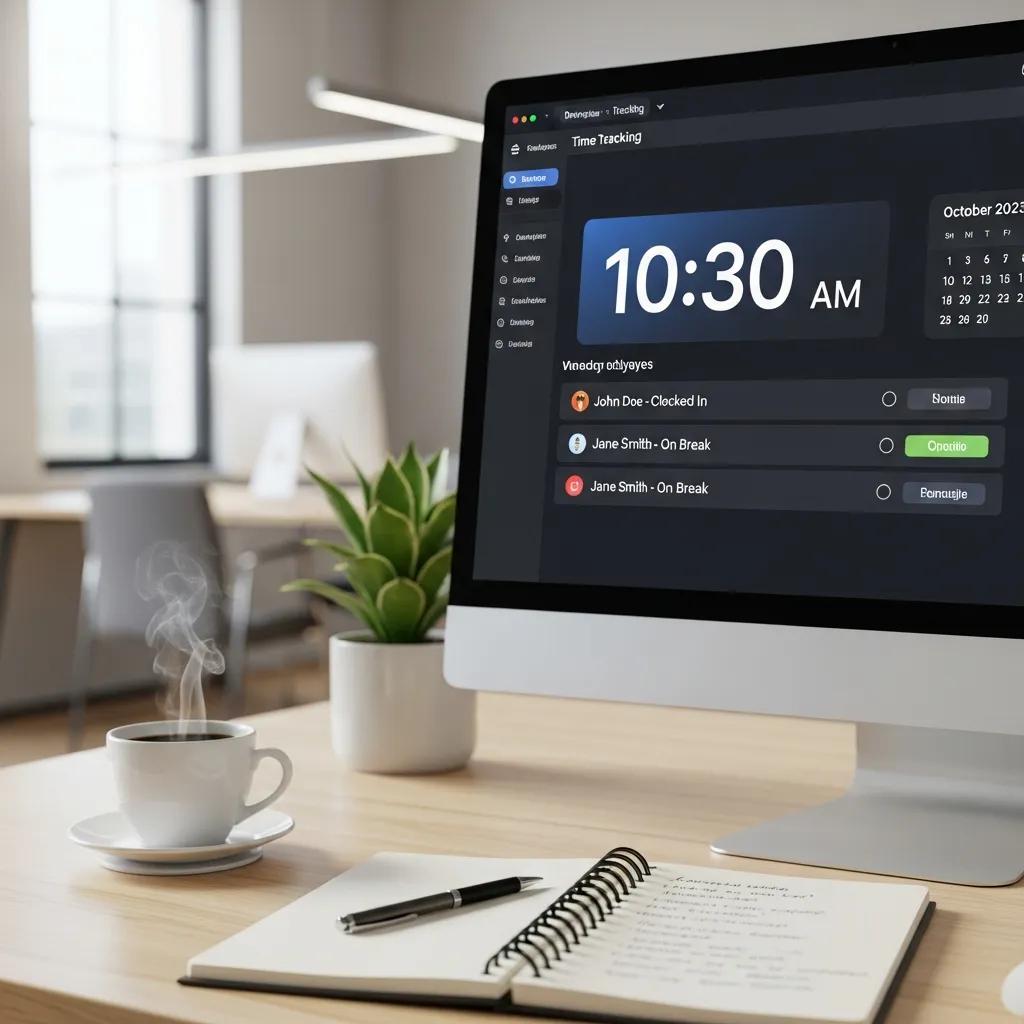
Time tracking software plays a crucial role in managing employee attendance and productivity. By accurately recording the hours worked by employees, these tools help organizations ensure compliance with labor laws and internal policies. Furthermore, they provide valuable insights into employee performance, enabling managers to identify trends and areas for improvement. The integration of time tracking software with payroll systems streamlines the payroll process, reducing errors and administrative burdens.
What Are the Benefits of Accurate Employee Time Tracking?
Accurate employee time tracking offers several benefits, including:
- Reduced Payroll Errors: By capturing precise work hours, organizations can minimize discrepancies in payroll calculations.
- Enhanced Accountability: Employees are more likely to adhere to their schedules when they know their time is being tracked.
- Improved Project Management: Time tracking data allows managers to assess project timelines and allocate resources more effectively.
These advantages contribute to a more efficient and accountable work environment.
How Do Time Tracking Tools Integrate with Payroll Systems?
Time tracking tools integrate seamlessly with payroll systems to streamline the payroll process. This integration ensures that employee hours are accurately reflected in payroll calculations, reducing the risk of errors. Additionally, it helps organizations maintain compliance with labor regulations by providing detailed records of employee work hours. By automating these processes, businesses can save time and reduce administrative workload, allowing HR teams to focus on more strategic initiatives.
What Are Shift Planning Software Solutions and Their Role in Workforce Optimization?
Shift planning software solutions are designed to help organizations manage employee shifts effectively. These tools facilitate the creation of optimized shift schedules that align with business needs while considering employee preferences and availability. By improving shift management, organizations can enhance workforce optimization, leading to better coverage and increased employee satisfaction.
How Does Shift Swapping Software Facilitate Flexible Scheduling?
Shift swapping software allows employees to exchange shifts with one another, providing greater flexibility in scheduling. This feature enhances employee satisfaction by accommodating personal commitments and preferences. Additionally, it reduces the burden on managers to fill shifts, as employees can take the initiative to find replacements. This flexibility ultimately leads to improved morale and a more engaged workforce.
What Are the Key Benefits of Shift Management Tools?
Shift management tools offer several key benefits, including:
- Improved Labor Cost Management: By optimizing shift schedules, organizations can reduce overtime costs and ensure adequate staffing levels.
- Enhanced Compliance: These tools help organizations adhere to labor laws and regulations by providing clear records of employee shifts.
- Increased Operational Efficiency: Streamlined scheduling processes allow managers to allocate resources more effectively, improving overall productivity.
These benefits make shift management tools essential for organizations looking to optimize their workforce.
How Do Workforce Management Solutions Integrate with HR and Payroll Systems?
Workforce management solutions integrate with HR and payroll systems to create a cohesive approach to managing employee data. This integration ensures that all aspects of workforce management, from scheduling to payroll processing, are aligned and efficient. By centralizing data, organizations can improve compliance, reporting, and overall operational efficiency.
What Integration Capabilities Enhance Compliance and Reporting?
Integration capabilities that enhance compliance and reporting include:
- Automated Data Syncing: Ensures that employee information is consistently updated across all systems, reducing the risk of errors.
- Comprehensive Reporting Tools: Provide insights into workforce metrics, helping organizations identify trends and make informed decisions.
- Audit Trails: Maintain detailed records of changes made to employee data, supporting compliance with labor regulations.
These capabilities contribute to a more transparent and accountable workforce management process.
How Does Workforce Analytics Improve Labor Cost Management?
Workforce analytics leverages data to provide insights into labor costs and employee performance. By analyzing trends and patterns, organizations can identify cost-saving opportunities and optimize resource allocation. This data-driven approach enables managers to make informed decisions that enhance productivity and reduce unnecessary expenses.
Further emphasizing the strategic value of data, research highlights how comprehensive workforce analytics, powered by Management Information Systems (MIS), significantly enhances labor planning, absenteeism monitoring, and overall productivity.
What Are the Latest Trends in Management Software for Remote and Hybrid Workforces?
The rise of remote and hybrid workforces has led to significant changes in management software trends. Organizations are increasingly adopting tools that facilitate collaboration, communication, and productivity in a distributed work environment. These trends reflect the evolving needs of businesses and their employees.
How Is AI Driving Scheduling Optimization and Automation?
Artificial intelligence (AI) is revolutionizing scheduling optimization by analyzing vast amounts of data to create efficient schedules. AI-driven tools can predict employee availability, identify potential scheduling conflicts, and suggest optimal shift assignments. This automation not only saves time but also enhances the overall scheduling process, leading to improved workforce management.
Indeed, the integration of AI-driven predictive scheduling systems is proving to be a significant innovation, directly impacting employee engagement and productivity.
Why Are Mobile-First Scheduling Tools Essential for Modern Workforces?
Mobile-first scheduling tools are essential for modern workforces as they provide employees with easy access to their schedules from anywhere. This accessibility enhances employee engagement and satisfaction, as individuals can manage their shifts and communicate with colleagues on the go. Additionally, mobile tools support remote work by allowing employees to stay connected and informed, regardless of their location.
How to Choose the Best Management Software for Your Business Needs?
Choosing the best management software for your business requires careful consideration of various factors. Organizations should evaluate their specific needs, budget, and the features offered by different software solutions. By conducting thorough research and comparing options, businesses can select the software that best aligns with their goals.
What Pricing Models and Features Should You Compare?
When comparing management software, consider the following pricing models and features:
- Subscription vs. One-Time Payment: Determine which model aligns with your budget and long-term needs.
- Feature Comparisons: Assess the features offered by different software solutions, such as scheduling capabilities, reporting tools, and integration options.
- Value for Money: Evaluate the overall value provided by the software in relation to its cost.
These comparisons will help you make an informed decision when selecting management software.
How Do Customer Testimonials and Case Studies Inform Your Decision?
Customer testimonials and case studies provide valuable insights into the effectiveness of management software. By reviewing real user experiences, organizations can gain a better understanding of how the software performs in practice. This information can help businesses identify potential challenges and benefits, ultimately guiding their decision-making process.