
How to Figure Payroll Hours: A Complete Guide for Employers

How Employers Can Calculate Payroll Hours Accurately - PunchPro
Calculating payroll hours accurately is crucial for employers to ensure compliance with labor laws and to maintain employee satisfaction. This comprehensive guide will help you understand the intricacies of payroll hours, including how to calculate them effectively and the importance of accurate time tracking. Many employers struggle with the complexities of payroll calculations, which can lead to compliance issues and employee dissatisfaction. By following the steps outlined in this guide, you will learn how to figure payroll hours accurately, understand the different types of hours, and implement best practices for payroll management. We will cover essential topics such as regular and overtime hours, methods for tracking time, and the tools available to assist in payroll calculations.
What Are Payroll Hours and Why Are They Important for Employers?
Payroll hours refer to the total hours worked by an employee during a specific pay period, which includes both regular and overtime hours. Understanding payroll hours is essential for employers as it directly impacts employee compensation and compliance with labor laws. Accurate tracking of payroll hours ensures that employees are paid correctly for their work, which fosters trust and satisfaction within the workforce. Additionally, maintaining accurate payroll records is crucial for compliance with various regulations, helping to avoid potential legal issues and penalties.
How Do Payroll Hours Include Regular and Overtime Work Hours?
Payroll hours encompass both regular and overtime work hours. Regular hours are the standard hours worked by an employee, typically defined as 40 hours per week in many jurisdictions. Overtime hours, on the other hand, are the hours worked beyond the regular hours and are usually compensated at a higher rate, often 1.5 times the regular hourly wage. Understanding the distinction between these two types of hours is vital for accurate payroll calculations and ensuring compliance with labor laws.
What Definitions and Examples Clarify Payroll Hours Concepts?
To clarify payroll hours concepts, it is essential to define key terms and provide examples.
- Regular Hours: The standard hours worked by an employee, usually up to 40 hours per week.
- Overtime Hours: Hours worked beyond the regular hours, typically compensated at a higher rate.
- Payroll Period: The specific time frame for which employees are paid, such as weekly, bi-weekly, or monthly.
For example, if an employee works 45 hours in a week, 40 hours would be considered regular hours, and 5 hours would be classified as overtime hours.
How to Calculate Payroll Hours Step-by-Step for Accurate Time Tracking
Calculating payroll hours accurately involves a systematic approach. Here’s a step-by-step guide:
- Track Employee Hours: Use timesheets or time tracking software to record the hours worked by each employee.
- Calculate Regular Hours: Sum the total regular hours worked within the payroll period.
- Calculate Overtime Hours: Identify any hours worked beyond the regular hours and calculate the overtime pay based on the applicable rate.
- Total Payroll Hours: Add the regular hours and overtime hours to determine the total payroll hours for each employee.
Employers can utilize “payroll calculators” to streamline this process, ensuring accuracy and efficiency in payroll management.
The shift from manual to digital payroll systems offers significant advantages in accuracy and efficiency, as highlighted by recent research.
What Methods Can Employers Use to Calculate Employee Work Hours?
Employers have several methods available for calculating employee work hours, each with its advantages and disadvantages.
- Manual Tracking: Employees record their hours on paper timesheets. This method is simple but prone to errors and can be time-consuming.
- Digital Timesheets: Using software to track hours can reduce errors and streamline the payroll process.
- Biometric Systems: Fingerprint or facial recognition systems can ensure accurate tracking of employee hours but may require a higher initial investment.
Choosing the right method depends on the size of the business, the number of employees, and the complexity of the payroll process.
Further emphasizing the benefits of advanced time tracking, biometric systems offer a highly accurate and efficient alternative to traditional methods.
How Do Timesheets and Payroll Calculators Assist in Payroll Hour Calculation?
Timesheets and payroll calculators play a crucial role in assisting employers with payroll hour calculations.
- Timesheets: These tools allow employees to log their hours worked, providing a clear record for payroll processing. They can be digital or paper-based, depending on the employer’s preference.
- Payroll Calculators: These tools automate the calculation of payroll hours, including regular and overtime hours, ensuring accuracy and compliance with labor laws. They can also help in generating reports for payroll audits.
By utilizing these tools, employers can significantly reduce the risk of errors in payroll calculations.
What Are the Rules and Methods for Overtime Hours Calculation and Compliance?

Overtime hours must be calculated according to specific rules set by labor laws. Generally, any hours worked beyond 40 in a week are considered overtime. Employers must ensure that they are aware of the following:
- Legal Requirements: Familiarize yourself with local labor laws regarding overtime pay rates and eligibility.
- Calculation Methods: Use the correct formula to calculate overtime pay, typically 1.5 times the regular hourly rate.
- Documentation: Maintain accurate records of hours worked and overtime calculations to ensure compliance and avoid disputes.
Understanding these rules is essential for maintaining compliance and protecting the business from potential legal issues.
How Do Labor Law Regulations Affect Overtime Hours Calculation?
Labor law regulations significantly impact how overtime hours are calculated. Employers must adhere to federal and state laws that dictate:
- Overtime Eligibility: Certain employees may be exempt from overtime pay based on their job duties and salary level.
- Pay Rates: Regulations specify the minimum overtime pay rate, which is typically 1.5 times the regular hourly wage.
- Recordkeeping: Employers are required to keep accurate records of hours worked and wages paid to employees.
Failure to comply with these regulations can result in penalties and legal action, making it crucial for employers to stay informed about labor laws.
Understanding specific legislation like the Fair Labor Standards Act (FLSA) is crucial for navigating the complexities of overtime pay and overall HR compliance.
What Are Best Practices to Ensure Overtime Compliance in Payroll?
To ensure compliance with overtime regulations, employers should implement the following best practices:
- Educate Employees: Provide training on overtime policies and procedures to ensure employees understand their rights and responsibilities.
- Regular Audits: Conduct regular audits of payroll records to identify any discrepancies or compliance issues.
- Use Technology: Implement payroll software that automatically calculates overtime and generates reports for compliance purposes.
By following these best practices, employers can minimize the risk of non-compliance and foster a fair workplace.
How to Use Payroll Hours Calculators and Tools Effectively?
Using payroll hours calculators and tools effectively involves understanding their features and functionalities. Here are some tips:
- Choose the Right Tool: Select a payroll calculator that meets your business needs, considering factors like the number of employees and complexity of payroll.
- Input Data Accurately: Ensure that all employee hours and pay rates are entered correctly to avoid calculation errors.
- Review Results: Regularly review the output from the calculator to ensure accuracy and compliance with labor laws.
By leveraging these tools, employers can streamline their payroll processes and reduce the likelihood of errors.
Which Payroll Time Tracking Software and Calculators Are Recommended?
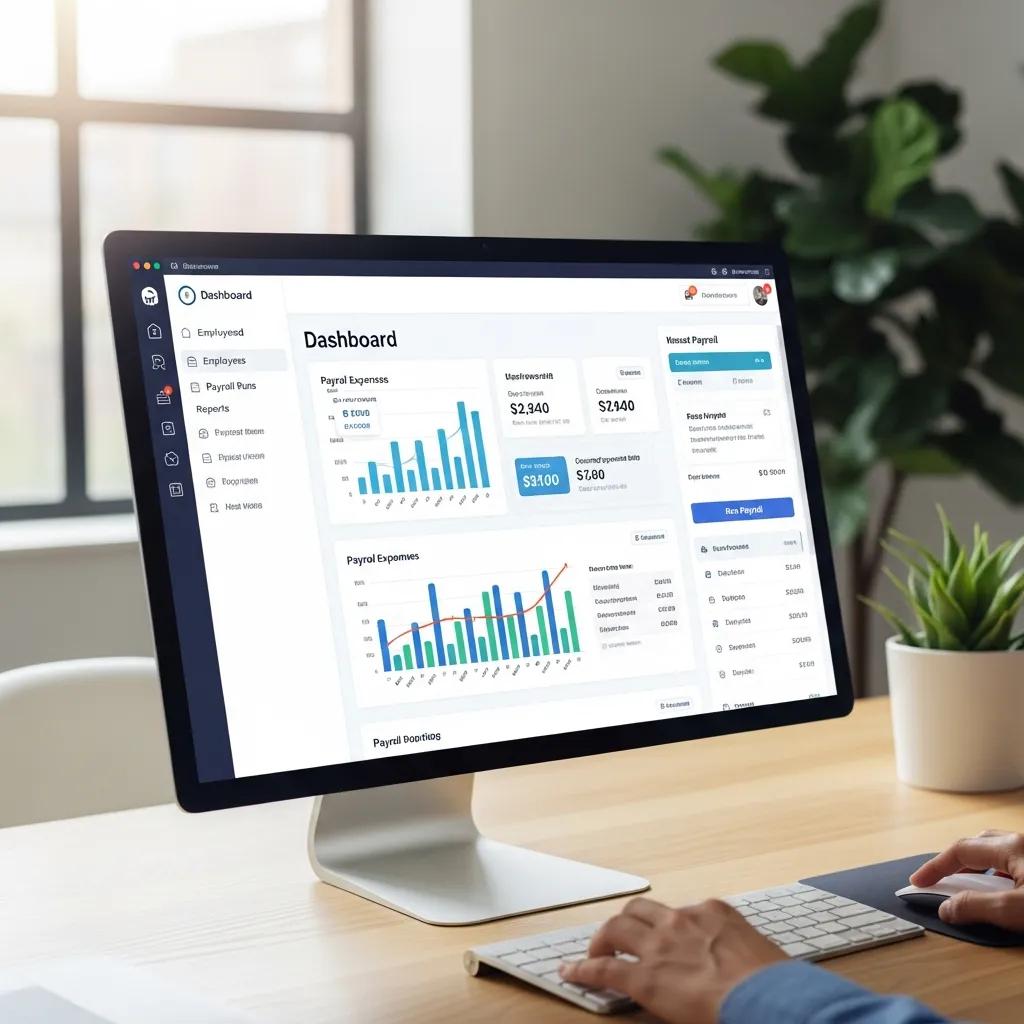
When selecting payroll time tracking software and calculators, consider the following options:
- QuickBooks Time: Offers robust time tracking features and integrates seamlessly with payroll systems.
- Toggl: A user-friendly tool for tracking hours that provides detailed reports for payroll processing.
- Harvest: Combines time tracking with invoicing, making it ideal for freelancers and small businesses.
These tools can enhance the efficiency of payroll calculations and ensure compliance with labor regulations.
How to Embed and Mark Up Payroll Calculators with Structured Data?
Embedding and marking up payroll calculators with structured data can improve their visibility in search engines. Here’s how to do it:
- Use Schema Markup: Implement schema markup to provide search engines with detailed information about the calculator’s functionality.
- Ensure Mobile Compatibility: Make sure the calculator is mobile-friendly to accommodate users on various devices.
- Test for Errors: Use tools like Google’s Structured Data Testing Tool to check for errors in your markup.
By following these steps, employers can enhance the user experience and improve the discoverability of their payroll calculators.
What Are Best Practices for Payroll Hours Recordkeeping and Reporting?
Maintaining accurate records of payroll hours is essential for compliance and effective payroll management. Best practices include:
- Consistent Recordkeeping: Use a standardized method for recording hours worked to ensure consistency across the organization.
- Regular Updates: Update payroll records regularly to reflect any changes in employee hours or pay rates.
- Secure Storage: Store payroll records securely to protect sensitive employee information.
Implementing these practices can help employers maintain compliance and streamline payroll processes.
How Should Employers Maintain Timesheets and Payroll Period Records?
Employers should maintain timesheets and payroll period records by following these guidelines:
- Regular Review: Conduct regular reviews of timesheets to ensure accuracy and completeness.
- Employee Access: Allow employees to review their timesheets for accuracy before payroll processing.
- Retention Policies: Establish clear policies for how long payroll records will be retained in compliance with legal requirements.
By adhering to these guidelines, employers can ensure that their payroll records are accurate and compliant with regulations.
What Reporting Standards Help Ensure Payroll Compliance?
Employers must adhere to specific reporting standards to ensure payroll compliance. These include:
- Accurate Reporting: Ensure that all payroll reports accurately reflect employee hours worked and wages paid.
- Timely Submission: Submit payroll reports to relevant authorities within the required timeframes to avoid penalties.
- Compliance Audits: Regularly conduct audits of payroll reports to identify and rectify any discrepancies.
Following these standards can help employers maintain compliance and avoid potential legal issues.
What Common Questions Do Employers Have About Payroll Hours?
Employers often have questions regarding payroll hours, including:
- What constitutes regular hours? Regular hours are typically defined as the standard hours worked by an employee, usually up to 40 hours per week.
- How is overtime calculated? Overtime is calculated as any hours worked beyond the regular hours, usually compensated at a rate of 1.5 times the regular hourly wage.
- What tools can assist in payroll calculations? Various tools, including “payroll calculators” and time tracking software, can assist employers in accurately calculating payroll hours.
Addressing these common questions can help employers navigate the complexities of payroll management.
How Do You Calculate Payroll Hours for Different Employee Types?
Calculating payroll hours can vary based on the type of employee. Here are some considerations:
- Full-Time Employees: Typically work a standard 40-hour week, with overtime calculated for hours beyond this.
- Part-Time Employees: May have variable hours, requiring careful tracking to ensure accurate payroll calculations.
- Contract Workers: Often paid by the project or hour, necessitating clear agreements on hours worked and payment terms.
Understanding these differences is crucial for accurate payroll calculations and compliance.
What Counts as Payroll Hours and How to Handle Special Cases?
Determining what counts as payroll hours can be complex, especially in special cases. Here are some considerations:
- Paid Time Off: Vacation and sick leave may count as payroll hours, depending on company policy.
- Training Hours: Time spent in mandatory training may also be considered payroll hours.
- Travel Time: Employees may be compensated for travel time if it occurs during regular working hours.
Employers should establish clear policies regarding these special cases to ensure compliance and fairness in payroll practices.