Enhance Efficiency with Efficient Task Tracking Software
Comprehensive Guide to Task Tracking Software and Productivity Tools
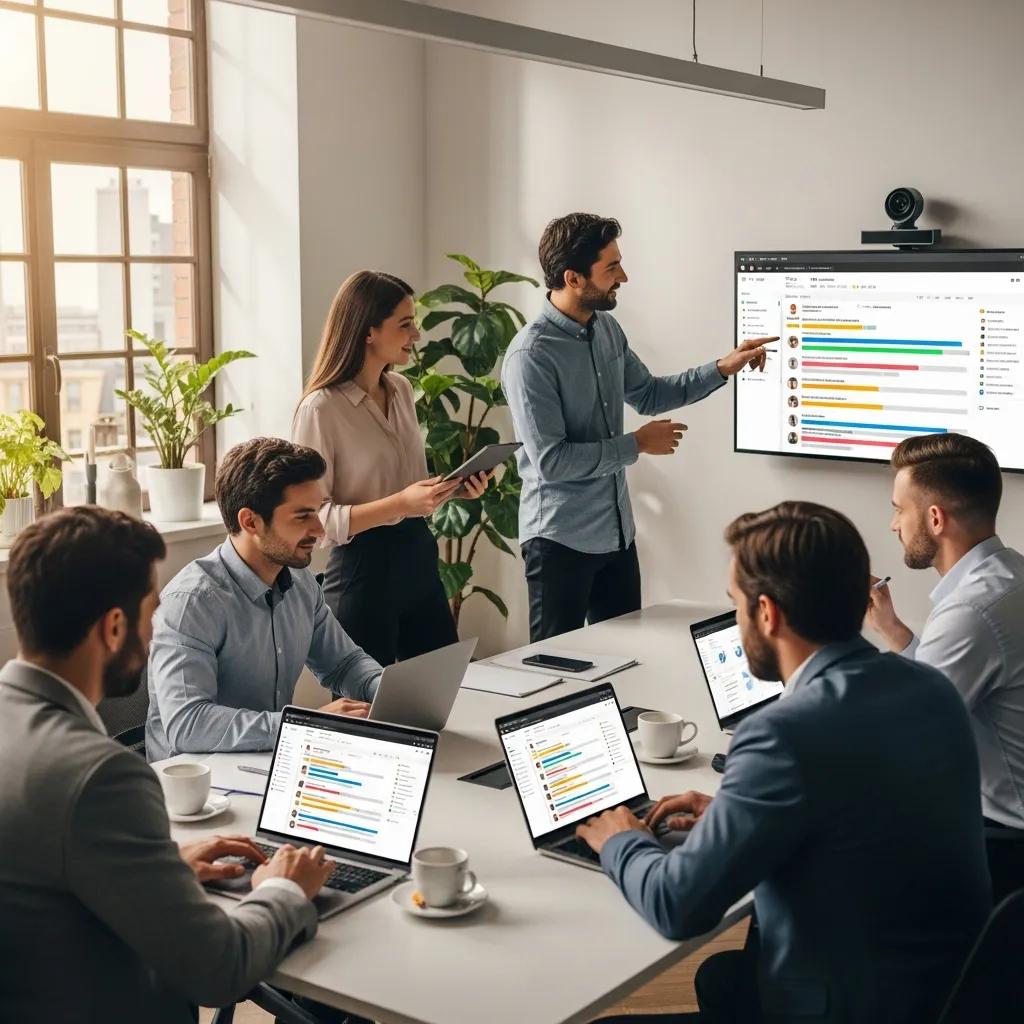
Task tracking software has become an essential tool for individuals and teams aiming to enhance productivity and streamline workflows. These applications help users manage tasks efficiently, prioritize workloads, and monitor progress in real-time. In this comprehensive guide, we will explore the key features of task tracking software, how it improves team collaboration, and the latest trends in the industry. Many professionals struggle with disorganization and missed deadlines, but effective task tracking can provide a structured approach to managing responsibilities. This article will cover the core features of task tracking tools, their impact on productivity, and a comparison of leading software solutions available today.
What Are Task Tracking Software and Their Key Features?
Task tracking software refers to digital tools designed to help users manage and monitor tasks throughout their lifecycle. These applications typically include features that facilitate task assignment, progress tracking, and deadline management. By providing a centralized platform for task management, these tools enhance productivity and ensure that team members stay aligned with project goals.
Which Core Features Define Effective Task Tracking Tools?
Effective task tracking tools share several core features that enhance user experience and productivity:
- User-Friendly Interface: A clean and intuitive design allows users to navigate the software easily, reducing the learning curve and increasing adoption rates.
- Integration Capabilities: The ability to integrate with other software, such as calendars and communication tools, ensures seamless workflow management and enhances collaboration.
- Reporting Features: Comprehensive reporting tools provide insights into task progress, team performance, and project timelines, enabling data-driven decision-making.
These features collectively contribute to a more organized and efficient task management process, making it easier for teams to meet their objectives.
How Do Task Prioritization and Scheduling Enhance Workflow Management?
Task prioritization and scheduling are critical components of effective workflow management. By categorizing tasks based on urgency and importance, teams can focus on high-priority items that drive project success. Scheduling tools within task tracking software allow users to allocate time effectively, ensuring that deadlines are met without overwhelming team members.
- Benefits of Prioritization: Prioritizing tasks helps teams focus on what matters most, reducing the risk of burnout and improving overall productivity.
- Scheduling Techniques: Techniques such as time blocking and the Eisenhower Matrix can be integrated into task tracking software to enhance time management.
- Tools that Assist in Scheduling: Many task tracking applications offer built-in scheduling features that allow users to visualize their workload and adjust timelines as needed.
By implementing these strategies, teams can optimize their workflows and achieve better results.
How Does Task Tracking Improve Team Collaboration and Productivity?

Task tracking software significantly enhances team collaboration by providing a shared platform for communication and task management. When team members can see each other’s progress and responsibilities, it fosters accountability and encourages collaboration.
What Are the Benefits of Task Tracking for Teams and Project Management?
The benefits of task tracking for teams and project management are numerous:
- Improved Communication: Task tracking tools facilitate clear communication among team members, reducing misunderstandings and ensuring everyone is on the same page.
- Increased Accountability: By assigning tasks and deadlines, team members are more likely to take ownership of their responsibilities, leading to higher productivity.
- Enhanced Project Visibility: Managers can easily monitor project progress, identify bottlenecks, and make informed decisions to keep projects on track.
These advantages contribute to a more cohesive and productive team environment.
How Does Time Tracking Integrate with Task Management for Efficiency?
Integrating time tracking with task management enhances overall efficiency by providing insights into how time is spent on various tasks. This integration allows teams to identify areas for improvement and optimize their workflows.
- Benefits of Time Tracking: Time tracking helps teams understand their productivity patterns, enabling them to allocate resources more effectively.
- Tools that Integrate Time Tracking: Many task tracking software solutions offer built-in time tracking features or integrate with dedicated time tracking tools, providing a comprehensive view of task management.
- Impact on Project Timelines: By analyzing time spent on tasks, teams can adjust their timelines and improve future project planning.
This integration ultimately leads to more efficient project execution and better resource management.
What Are the Top Task Tracking and Project Management Software Solutions?
Several task tracking and project management software solutions stand out in the market, each offering unique features tailored to different user needs. Understanding these options can help teams choose the right tool for their specific requirements.
How Do Asana, Trello, and Monday.com Compare in Task Tracking Features?
When comparing popular task tracking tools like Asana, Trello, and Monday.com, it’s essential to consider their distinct features:
This comparison highlights how each tool caters to different project management styles, allowing teams to select the best fit for their workflows.
Further research underscores the tangible benefits of adopting such digital collaboration tools, particularly in optimizing project delivery timelines for remote teams.
What Emerging AI and Automation Features Are Included in Modern Tools?
Modern task tracking software increasingly incorporates AI and automation features to enhance user experience and efficiency. These advancements streamline repetitive tasks and provide intelligent insights.
- AI Capabilities: AI-driven features can analyze task data to suggest optimal workflows and identify potential bottlenecks.
- Automation Benefits: Automation tools can handle routine tasks, such as sending reminders or updating task statuses, freeing up team members to focus on more critical activities.
- Future Trends in Task Tracking: As technology evolves, we can expect further integration of AI and machine learning, leading to even more sophisticated task management solutions.
These innovations are set to transform how teams approach task tracking and project management.
How Can Task Tracking Software Integrate with Calendars and Communication Tools?
Integrating task tracking software with calendars and communication tools is vital for enhancing productivity and ensuring seamless collaboration among team members.
Which Calendar and Workflow Management Systems Are Compatible?
Many task tracking applications offer compatibility with popular calendar and workflow management systems, such as:
- Google Calendar: Syncing tasks with Google Calendar allows users to visualize deadlines and appointments in one place.
- Microsoft Outlook: Integration with Outlook enables users to manage tasks alongside their email and calendar, streamlining workflow.
- Slack: Connecting task tracking software with Slack facilitates real-time communication and updates, keeping team members informed.
These integrations enhance the overall user experience and improve task management efficiency.
How Do Integrations Enhance Remote Work and Team Collaboration?
In today’s remote work environment, integrations between task tracking software and communication tools are more critical than ever. They provide several benefits:
- Benefits for Remote Teams: Integrated tools help remote teams stay connected and aligned, reducing feelings of isolation and disconnection.
- Tools that Enhance Collaboration: Applications like Zoom and Microsoft Teams can be integrated with task tracking software to facilitate virtual meetings and discussions.
- Real-World Examples: Companies that leverage these integrations report improved communication and collaboration, leading to higher productivity levels.
By utilizing these integrations, teams can navigate the challenges of remote work more effectively.
What Are the Latest Trends and Future Developments in Task Tracking?
The landscape of task tracking software is continually evolving, with new trends and developments shaping the future of productivity tools.
How Is AI Powering Task Automation and Mobile-First Apps?
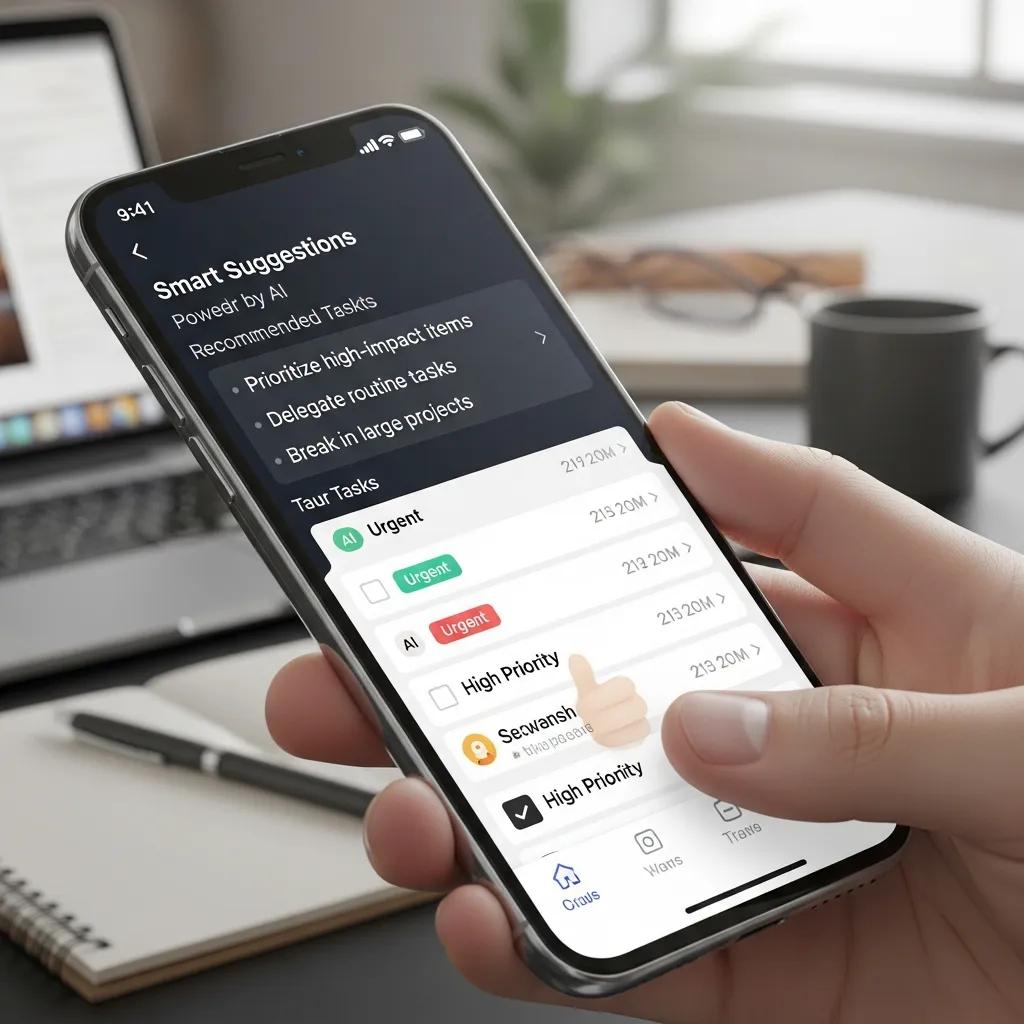
AI is playing a significant role in the development of task tracking software, particularly in automating routine tasks and enhancing user experience.
- AI Capabilities in Task Tracking: AI algorithms can analyze user behavior to provide personalized recommendations and automate repetitive tasks.
- Mobile-First Design Benefits: As more users rely on mobile devices, task tracking software is increasingly designed with mobile-first principles, ensuring accessibility and usability on the go.
- Future of Task Automation: The integration of AI and automation is expected to streamline workflows further, allowing teams to focus on strategic initiatives rather than administrative tasks.
These advancements will likely redefine how teams approach task management in the coming years.
What Industry-Specific Use Cases Demonstrate ROI and Efficiency Gains?
Different industries are adopting task tracking software to improve efficiency and demonstrate return on investment (ROI). Some notable use cases include:
- Healthcare: Task tracking tools help healthcare teams manage patient care tasks, ensuring timely follow-ups and improved patient outcomes.
- Marketing: Marketing teams utilize task tracking software to coordinate campaigns, track deliverables, and measure performance metrics.
- Construction: Construction project managers leverage task tracking tools to monitor project timelines, manage resources, and ensure compliance with safety regulations.
These examples illustrate how task tracking software can lead to significant efficiency gains across various sectors.