
Efficient Time Tracking: The Best Time Clock App Solutions
Ultimate Time Clock Systems Guide for Efficient Tracking - PunchPro
Time clock systems are essential tools for businesses aiming to streamline employee time tracking and enhance workforce management. These systems not only help in accurately recording employee hours but also play a crucial role in payroll processing and compliance with labor laws. In this comprehensive guide, we will explore the various types of time clocks available, their features, and how they integrate with payroll and HR systems. Additionally, we will discuss compliance considerations, effective tracking of remote workforces, and emerging trends in time clock technology. By understanding these aspects, businesses can make informed decisions that improve efficiency and accuracy in time tracking.
What Are the Different Types of Time Clocks and Their Features?
Time clocks come in various forms, each designed to meet specific business needs. Understanding the different types can help organizations choose the right system for their workforce.
How Do Digital, Biometric, and Mobile Time Clocks Compare?
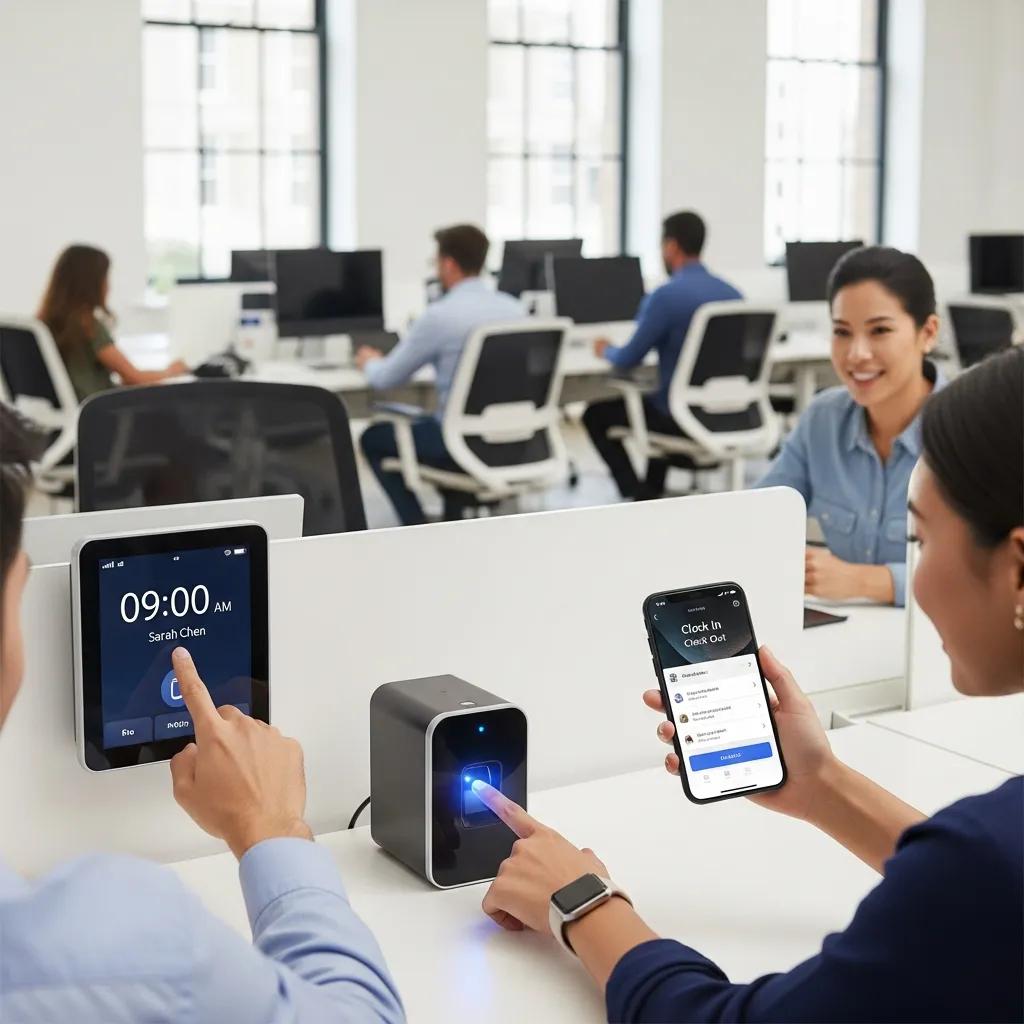
Digital, biometric, and mobile time clocks each offer unique advantages:
- Digital Time Clocks: These devices record employee hours electronically, providing a straightforward solution for time tracking. They often feature user-friendly interfaces and can integrate with payroll systems for seamless processing.
- Biometric Time Clocks: Utilizing fingerprint or facial recognition technology, biometric clocks enhance security and prevent buddy punching, where one employee clocks in for another. This type of clock ensures that the recorded hours are accurate and tied to the actual employee.
- Mobile Time Clocks: Ideal for remote or field employees, mobile time clocks allow workers to clock in and out using their smartphones. This flexibility is crucial for businesses with a mobile workforce, ensuring accurate tracking regardless of location.
What Are the Key Features of Cloud-Based Time Tracking Solutions?
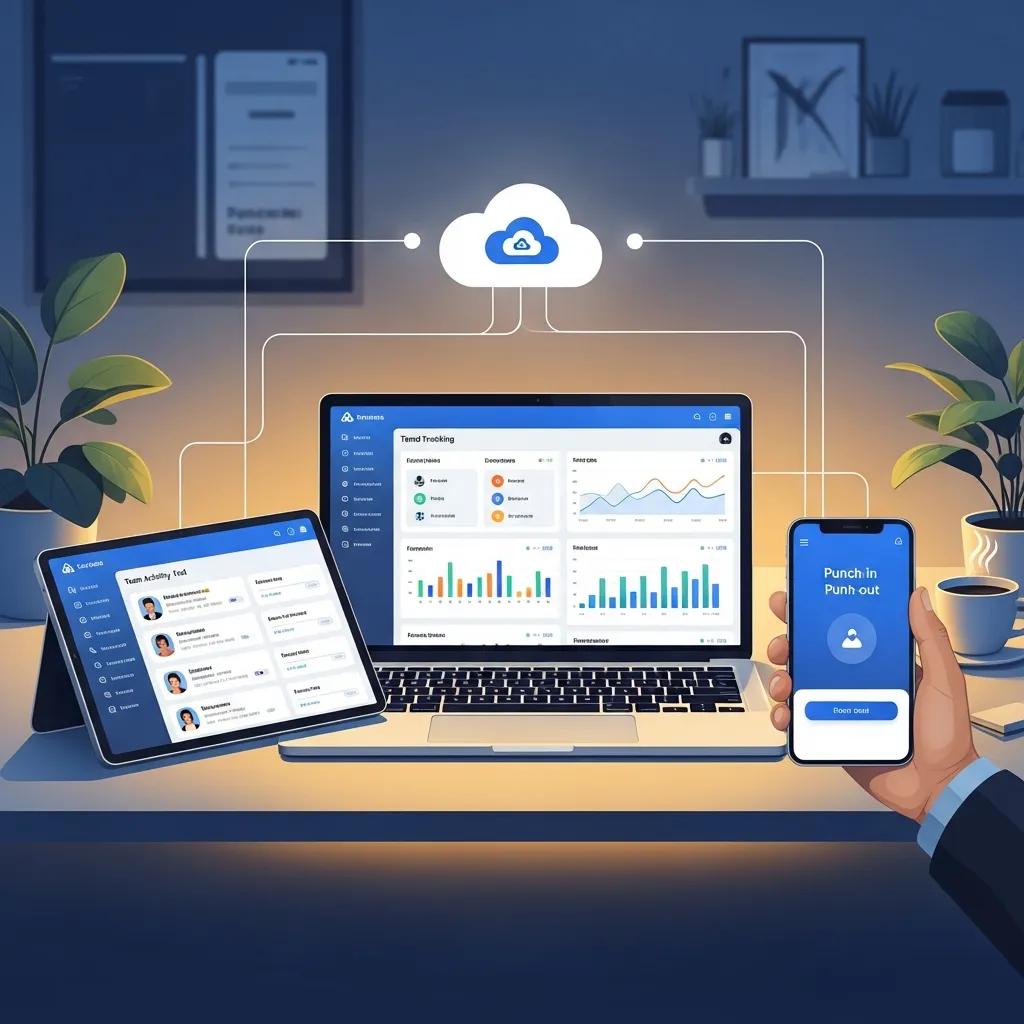
Cloud-based time tracking solutions offer several key features that enhance their functionality:
- Accessibility: Employees can access the system from any device with internet connectivity, making it easy to clock in and out from various locations.
- Integration Capabilities: These solutions often integrate seamlessly with payroll and HR systems, reducing administrative burdens and minimizing errors.
- Data Security: Cloud-based systems typically employ robust security measures, including encryption and regular backups, to protect sensitive employee data.
How Does Time Clock Software Integrate with Payroll and HR Systems?
Integrating time clock software with payroll and HR systems is essential for efficient workforce management. This integration streamlines processes and enhances accuracy in payroll calculations.
What Are the Benefits of Payroll Integration for Workforce Management?
Integrating time clock systems with payroll offers several benefits:
- Reduction in Errors: Automated data transfer minimizes the risk of human error associated with manual entry.
- Time Savings: Payroll processing becomes faster and more efficient, allowing HR teams to focus on strategic initiatives rather than administrative tasks.
- Improved Reporting: Integrated systems provide comprehensive reporting capabilities, enabling better analysis of labor costs and employee performance.
Which Platforms Support Seamless Time Clock and HR System Integration?
Several popular platforms support seamless integration between time clock systems and HR software:
- ADP: Known for its robust payroll solutions, ADP offers integration with various time clock systems, ensuring accurate payroll processing.
- Paychex: This platform provides comprehensive HR and payroll services, with built-in time tracking capabilities.
- QuickBooks: QuickBooks integrates with various time clock applications, allowing businesses to manage payroll and time tracking in one place.
What Compliance and Legal Considerations Should Businesses Know About Time Clocks?
Compliance with labor laws is a critical aspect of time tracking. Businesses must ensure that their time clock systems adhere to legal requirements to avoid penalties.
How Do Time Clocks Help Ensure Labor Law Compliance?
Time clocks assist in compliance by accurately tracking employee hours, which is essential for meeting wage and hour laws. They help businesses:
- Track Hours Accurately: Automated systems reduce the likelihood of errors in recording hours worked.
- Avoid Legal Issues: Accurate time tracking helps prevent disputes over unpaid wages and ensures compliance with overtime regulations.
- Protect Employee Rights: By maintaining accurate records, businesses can uphold employee rights regarding pay and working hours.
What Are the Best Practices for Data Privacy and Security in Time Tracking?
To protect sensitive employee information, businesses should implement best practices for data privacy and security:
- Data Encryption: Encrypting data both in transit and at rest helps safeguard against unauthorized access.
- User Access Controls: Limiting access to sensitive information ensures that only authorized personnel can view or modify employee data.
- Regular Audits: Conducting regular audits of time tracking systems can help identify vulnerabilities and ensure compliance with data protection regulations.
How Can Businesses Effectively Track Remote and Mobile Workforce Time?
Tracking time for remote and mobile workforces presents unique challenges. However, with the right tools and strategies, businesses can effectively manage this aspect of workforce management.
What Features Enable Accurate Mobile Time Clock Tracking?
Mobile time clock solutions should include features that enhance accuracy and usability:
- GPS Tracking: This feature allows businesses to verify the location of employees when they clock in and out, ensuring accountability.
- User Interface Design: A simple and intuitive interface encourages employees to use the system correctly, reducing errors.
- Offline Capabilities: Allowing employees to clock in and out even without internet access ensures that time tracking remains uninterrupted.
How Does GPS-Enabled Time Tracking Support Remote Workforce Management?
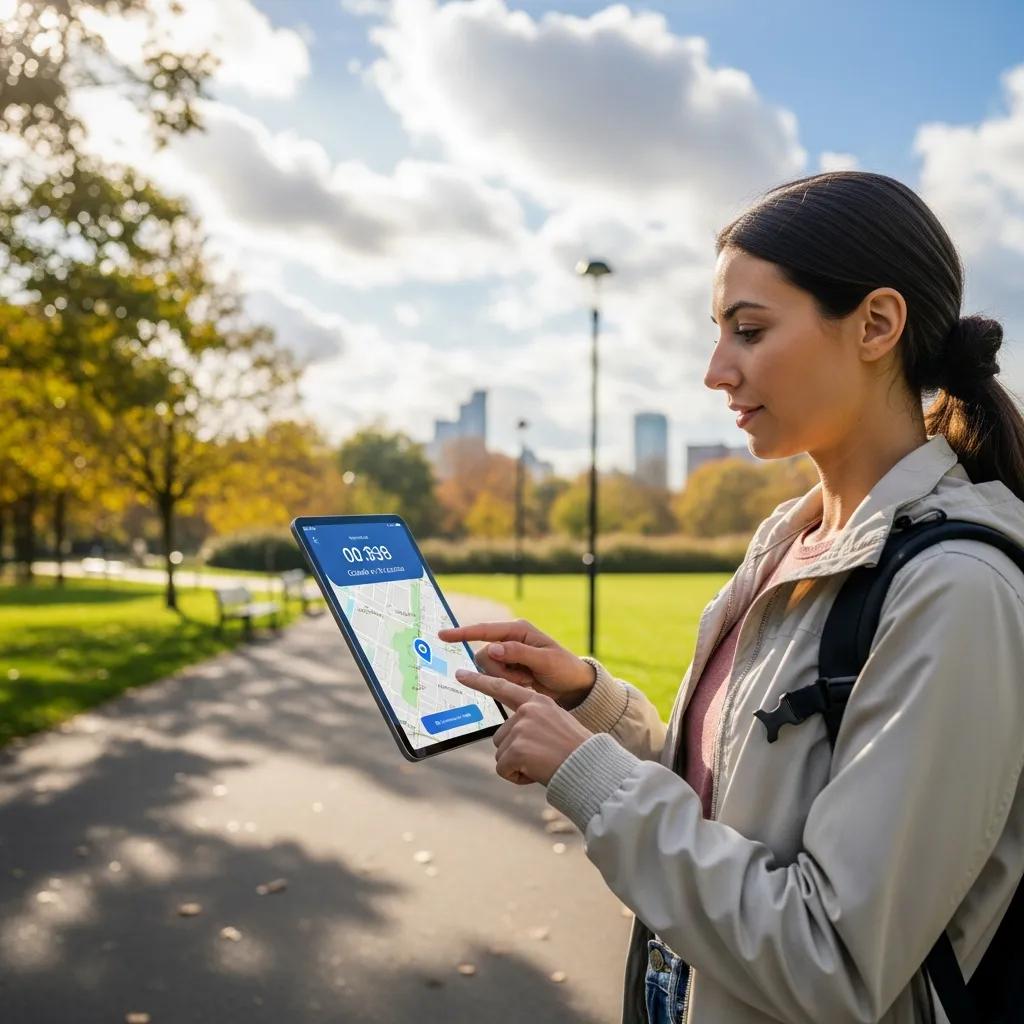
GPS-enabled time tracking provides several advantages for managing remote workforces:
- Location Accuracy: Businesses can ensure that employees are clocking in from authorized locations, reducing the risk of time fraud.
- Employee Accountability: GPS tracking fosters accountability among employees, as their locations are recorded during clock-ins and outs.
- Cost-Effectiveness: By accurately tracking hours worked, businesses can optimize labor costs and improve budgeting.
What Are the Emerging Trends and Technologies in Time Clock Systems?
As technology evolves, so do time clock systems. Staying informed about emerging trends can help businesses leverage new tools for improved efficiency.
How Is AI Enhancing Time Tracking Accuracy and Fraud Prevention?
Artificial intelligence (AI) is revolutionizing time tracking by enhancing accuracy and preventing fraud:
- Predictive Analytics: AI can analyze patterns in employee time tracking data to identify anomalies that may indicate fraudulent activity.
- Automated Alerts: Systems can send alerts to managers when unusual clock-in or clock-out times are detected, allowing for immediate investigation.
- Improved User Experience: AI-driven interfaces can provide personalized experiences for users, making time tracking more intuitive.
Further research highlights specific technological approaches to combat common forms of time clock fraud.
What Are the Advantages of Biometric Authentication in Modern Time Clocks?
Biometric authentication offers several advantages for modern time clock systems:
- Enhanced Security: By using unique biological traits, such as fingerprints or facial recognition, biometric systems significantly reduce the risk of time theft.
- User Convenience: Employees can clock in quickly and easily without needing to remember passwords or PINs.
- Accurate Record Keeping: Biometric systems ensure that the recorded hours are tied directly to the individual employee, enhancing accountability.