
employee time

Employee Time Tracking, Scheduling & Integration with PunchPro
Effective employee time management is crucial for enhancing productivity and ensuring compliance within organizations. This guide delves into the various solutions available for tracking employee time, scheduling, and integrating these systems with payroll. Readers will learn about the key features of employee time tracking software, the benefits of scheduling tools, and how advanced analytics can transform workforce management. Many businesses struggle with inefficient time tracking and scheduling processes, leading to wasted resources and compliance issues. By implementing the right solutions, organizations can streamline operations and improve overall efficiency. This article will cover essential features of time tracking software, the advantages of scheduling tools, integration benefits, and how to choose the best employee time management tools for your business.
What Are the Key Features of Employee Time Tracking Software?
Employee time tracking software is designed to monitor and record the hours worked by employees, providing valuable insights into productivity and labor costs. Key features of effective time tracking solutions include real-time tracking capabilities, user-friendly interfaces, and seamless integration with payroll systems. These features enable businesses to maintain accurate records, reduce administrative burdens, and help ensure compliance with labor regulations.
How Does Real-Time Attendance Monitoring Improve Workforce Management?

Real-time attendance monitoring significantly enhances workforce management by increasing accountability among employees. With the ability to track attendance as it happens, businesses can reduce time theft and ensure that employees are present during scheduled hours. This leads to improved scheduling accuracy, as managers can make informed decisions based on actual attendance data. Furthermore, real-time monitoring allows for quick adjustments to staffing levels, ensuring that operational needs are met efficiently.
What Role Do Mobile Time Clock Apps Play in Modern Time Tracking?
Mobile time clock apps play a vital role in modern time tracking by providing flexibility for remote and mobile workers. These applications allow employees to clock in and out from their mobile devices, ensuring accurate timekeeping regardless of location. The ease of use and real-time updates offered by mobile apps enhance employee engagement and streamline the time tracking process. As a result, businesses can maintain accurate records and improve overall productivity.
Further innovation in mobile time tracking includes applications that can automatically record work hours, moving beyond manual logging.
How Can Employee Scheduling Software Enhance Workforce Efficiency?
Employee scheduling software is essential for optimizing workforce efficiency by streamlining scheduling processes and improving employee satisfaction. By automating scheduling tasks, businesses can reduce the time spent on manual scheduling and minimize errors. This software also allows for better compliance with labor laws, helping ensure that employees receive appropriate breaks and overtime pay.
What Are Best Practices for Effective Employee Scheduling?
Effective employee scheduling requires consideration of various factors to ensure optimal outcomes. Best practices include:
- Consider Employee Preferences: Taking into account employee availability and preferences can lead to higher job satisfaction and reduced turnover.
- Utilize Scheduling Software Features: Leveraging the capabilities of scheduling software, such as automated shift assignments and conflict alerts, can enhance efficiency.
- Regularly Review Schedules: Frequent evaluations of schedules help identify areas for improvement and ensure that staffing levels align with business needs.
How Does Scheduling Software Ensure Compliance with Labor Laws?
Scheduling software plays a crucial role in ensuring compliance with labor laws by tracking hours worked and managing overtime effectively. By automating these processes, businesses can avoid common pitfalls such as unintentional overtime violations and missed breaks. Additionally, scheduling software can generate reports that provide insights into labor law compliance, helping organizations stay informed and proactive.
Indeed, modern scheduling software is increasingly designed with specific features to help organizations navigate and comply with complex labor laws.
What Are the Benefits of Integrating Time Tracking with Payroll and Attendance Systems?
Integrating time tracking with payroll and attendance systems offers numerous advantages, including streamlined payroll processing, reduced errors, and enhanced reporting capabilities. This integration ensures that employee hours are accurately reflected in payroll, minimizing discrepancies and administrative burdens.
How Do Time Clock Apps Integrate Seamlessly with Payroll Systems?
Time clock apps integrate seamlessly with payroll systems through automatic data transfer, which eliminates the need for manual entry. This real-time update feature helps ensure that payroll is processed accurately and on time. User-friendly interfaces further enhance the integration experience, allowing HR personnel to manage payroll efficiently without extensive training.
What Are the Advantages of Automated Attendance Tracking Systems?
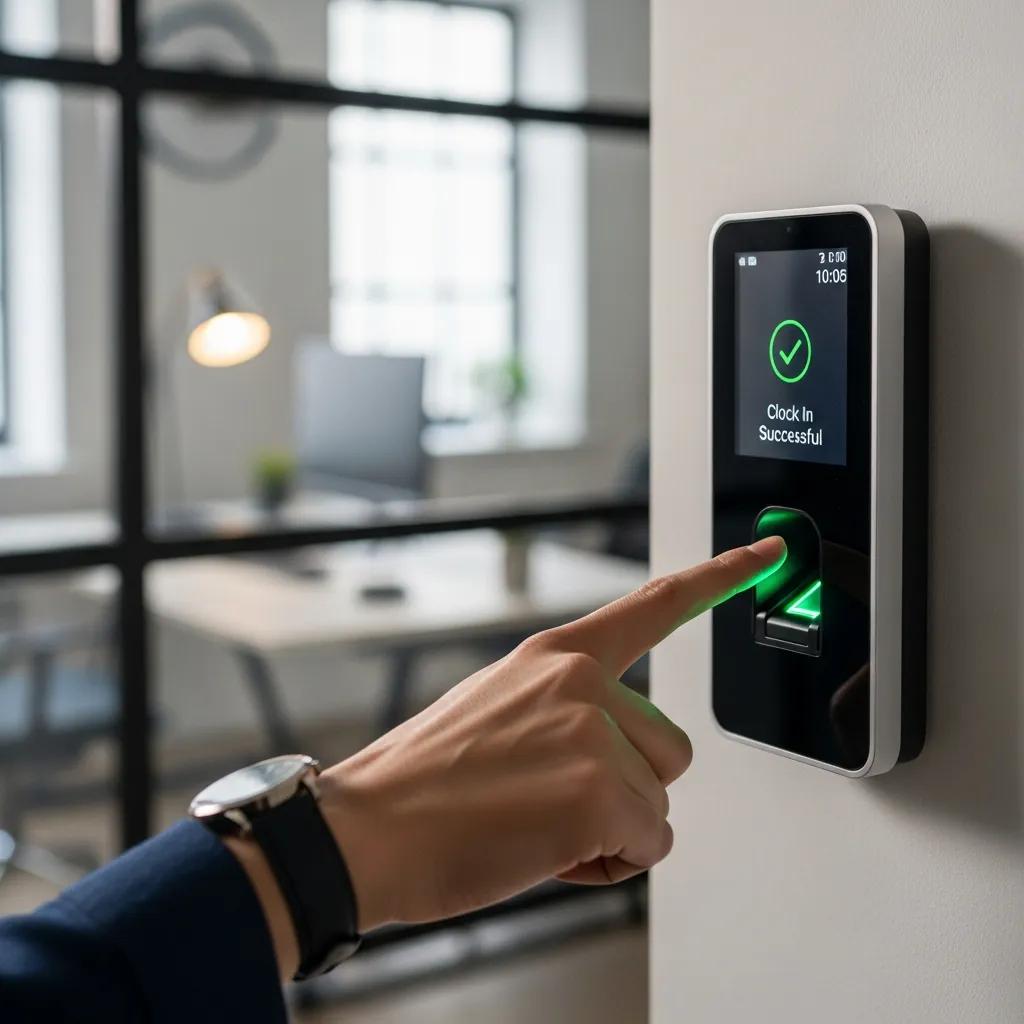
Automated attendance tracking systems provide significant benefits, including reduced administrative workload and increased accuracy in timekeeping. By automating the attendance process, businesses can minimize human error and ensure that records are consistently maintained. Additionally, these systems enhance compliance tracking by providing detailed reports on employee attendance patterns and potential issues.
How Are Advanced Analytics Transforming Employee Time Management?
Advanced analytics are revolutionizing employee time management by enabling data-driven decision-making. Organizations can leverage analytics to identify trends in employee productivity, optimize scheduling, and improve overall workforce efficiency.
What Insights Can AI-Driven Time Management Provide?
AI-driven time management solutions offer valuable insights by analyzing employee data to predict productivity patterns. These insights can help managers make informed decisions about staffing levels and resource allocation, ultimately leading to improved operational efficiency. By harnessing the power of AI, businesses can enhance their time management strategies and drive better outcomes.
The transformative potential of AI extends to proactive workforce planning, where predictive models can significantly enhance forecasting accuracy for staffing needs and demand spikes.
How Does Biometric Authentication Enhance Time Tracking Accuracy?
Biometric authentication enhances time tracking accuracy by providing a secure method for employees to clock in and out. This technology reduces the risk of buddy punching, where one employee clocks in for another, ensuring that recorded hours are accurate. The increased security and reliability of biometric systems contribute to more precise timekeeping and improved compliance with labor regulations.
What Are the Compliance Considerations in Employee Time Management?
Compliance considerations in employee time management are critical for avoiding legal issues and ensuring fair labor practices. Organizations must understand labor laws, accurately track hours, and manage overtime and breaks effectively.
How Do Workforce Management Tools Address Labor Law Requirements?
Workforce management tools address labor law requirements by automating compliance checks and generating reports that highlight potential violations. These tools provide user-friendly interfaces that make it easy for HR personnel to monitor compliance and take corrective actions when necessary. By utilizing these tools, businesses can stay informed about changing regulations and help ensure adherence to labor laws.
What Are Common Compliance Challenges and Solutions?
Common compliance challenges include keeping up with changing laws, training staff on compliance requirements, and effectively using technology to monitor compliance. Solutions to these challenges involve:
- Regular Training: Providing ongoing training for staff to ensure they are aware of current labor laws and compliance requirements.
- Utilizing Technology: Implementing workforce management tools that automate compliance tracking and reporting.
- Staying Informed: Keeping abreast of changes in labor laws and adjusting policies and practices accordingly.
How to Choose the Best Employee Time Management Tools for Your Business?
Choosing the best employee time management tools involves evaluating various factors to ensure they meet the specific needs of your organization. Key considerations include identifying business needs, evaluating software features, and considering user feedback.
What Features Should You Prioritize in Time Tracking and Scheduling Software?
When selecting time tracking and scheduling software, prioritize features that enhance usability and functionality. Essential features include:
- User-Friendly Interface: A simple and intuitive interface ensures that employees can easily navigate the software.
- Integration Capabilities: Look for software that integrates seamlessly with existing payroll and HR systems to streamline processes.
- Reporting Features: Robust reporting capabilities provide insights into employee performance and time management efficiency.
How Do User Reviews and Case Studies Inform Software Selection?
User reviews and case studies are invaluable resources when selecting employee time management tools. Analyzing common themes in reviews can help identify strengths and weaknesses of different software options. Additionally, case studies provide real-world examples of how specific tools have improved time management for other organizations, offering insights into their effectiveness and suitability for your business.