
Optimize Productivity with Our Free Work Schedule Template

Free Work Schedule Template for Efficient Shift Planning PunchPro
Creating an effective work schedule is crucial for any organization aiming to optimize productivity and employee satisfaction. A well-structured work schedule template not only helps in organizing shifts but also ensures that all employees are aware of their responsibilities and work hours. In this article, we will explore the concept of work schedule templates, their importance, and how to create one that meets the needs of your team. Many businesses struggle with scheduling conflicts and inefficient shift management, but a well-designed template can provide a solution. We will cover the definition of a work schedule template, the steps to create an effective weekly schedule, the best tools for scheduling, and where to find free templates.
What Is a Work Schedule Template and Why Is It Important?
A work schedule template is a structured format that outlines employee shifts, work hours, and responsibilities for a specific period. It serves as a roadmap for both management and employees, ensuring clarity and organization in workforce management. The importance of a work schedule template lies in its ability to streamline operations, reduce confusion, and enhance productivity. By providing a clear overview of who is working when, it minimizes scheduling conflicts and helps in planning for peak business hours.
How Does an Employee Schedule Template Improve Workforce Management?
An employee schedule template significantly improves workforce management by streamlining scheduling processes. It reduces errors that can occur when manually creating schedules, ensuring that all shifts are covered without overlaps. Enhanced communication is another benefit, as employees can easily access their schedules and any changes made. This transparency fosters a more organized work environment, allowing managers to focus on other critical tasks.
What Are the Benefits of Using a Free Schedule Template?
Using a free schedule template offers several advantages. Firstly, it is cost-effective, allowing businesses to allocate resources to other areas. Secondly, free templates are often customizable, enabling organizations to tailor them to their specific needs. Lastly, accessibility is a key benefit, as many free templates are available online and can be easily downloaded and implemented.
How to Create an Effective Weekly Schedule Template for Your Team
Creating an effective weekly schedule template involves several key steps. Start by determining the specific needs of your team, including the number of employees required for each shift and any special considerations such as time-off requests. Next, outline the key elements that should be included in the template, ensuring it is user-friendly and easy to understand.
What Key Elements Should a Shift Schedule Template Include?
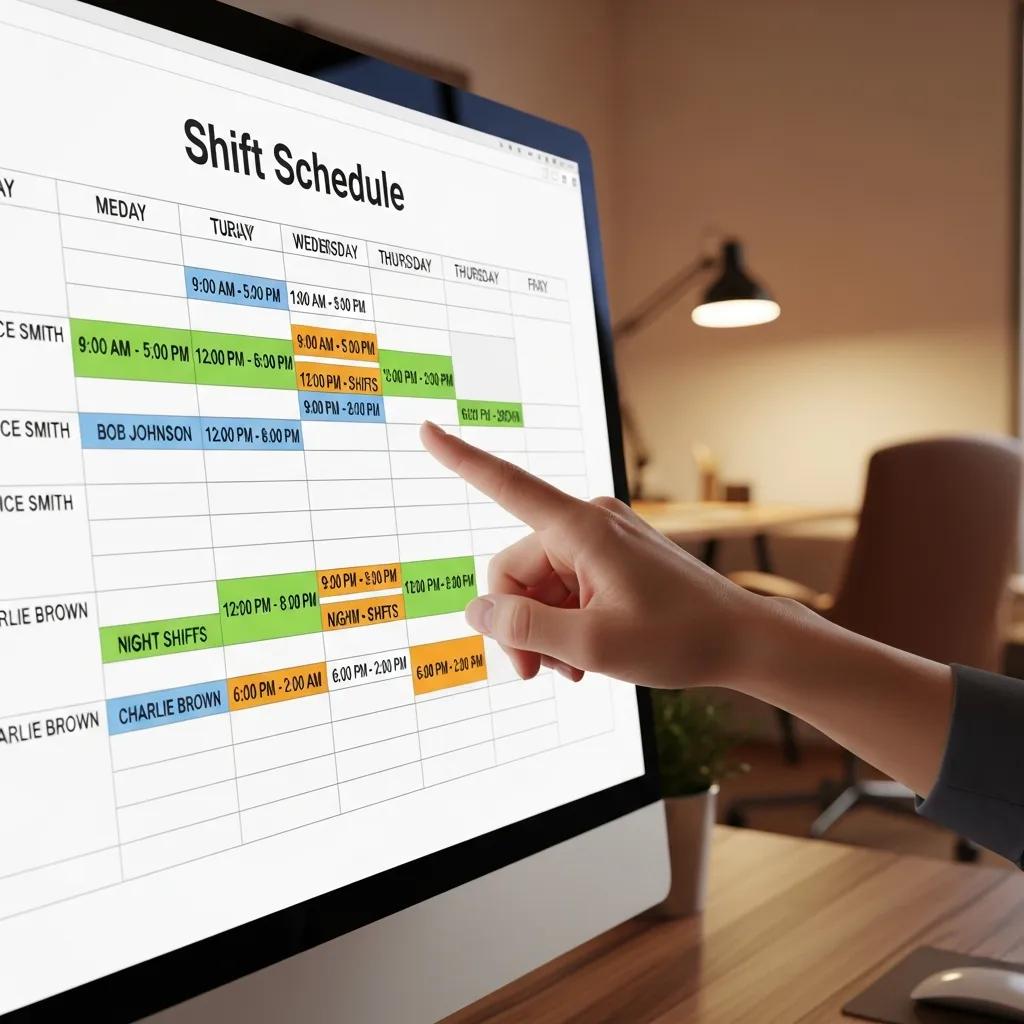
A shift schedule template should include essential components such as employee names, shift times, and designated breaks. Additionally, it should account for time-off requests and any special notes regarding specific shifts. By incorporating these elements, the template becomes a comprehensive tool for managing employee schedules effectively.
How to Customize a Work Schedule Planner for Different Industries?
Customizing a work schedule planner for different industries requires an understanding of the unique needs of each sector. For instance, healthcare facilities may need to account for varying shift lengths and on-call requirements, while retail businesses might focus on peak shopping hours. Providing industry-specific examples can help in tailoring the template to meet these diverse needs.
Which Tools and Formats Are Best for Work Schedule Templates?
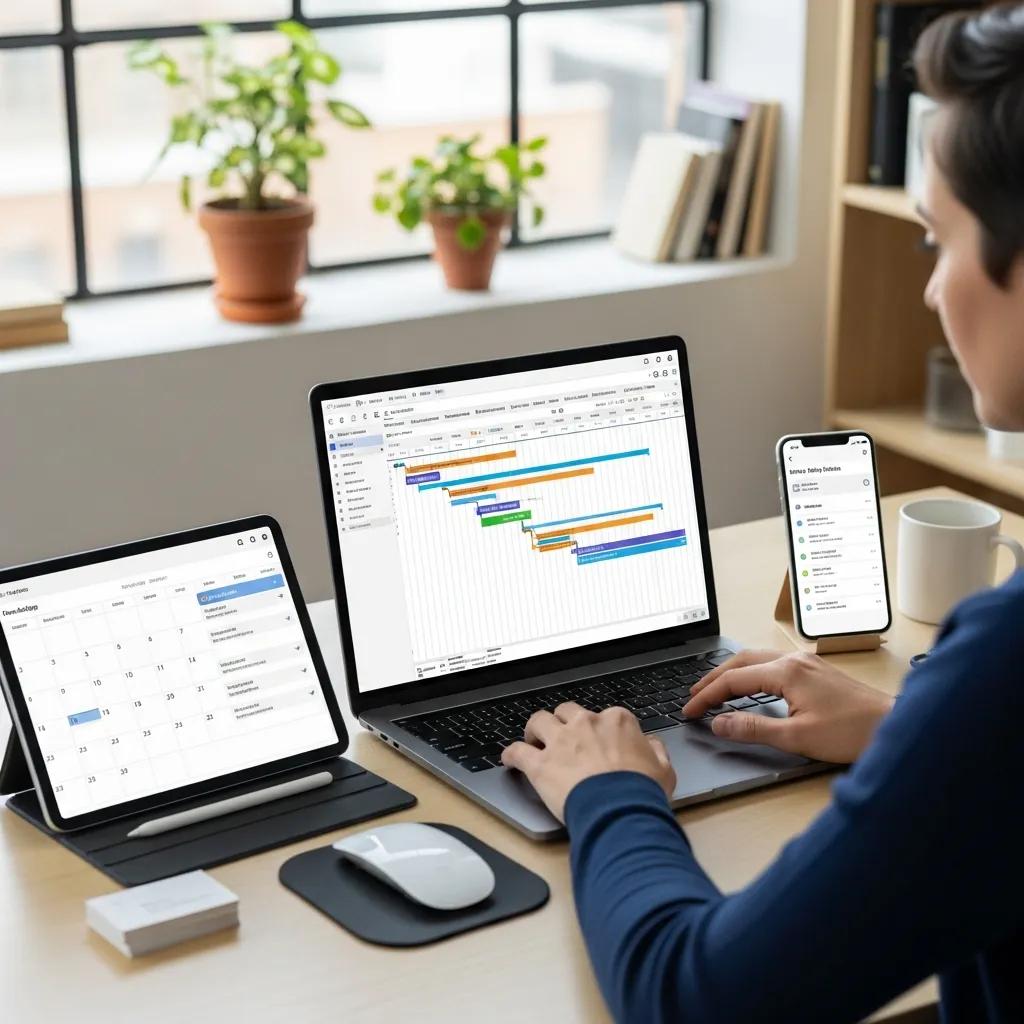
When it comes to creating work schedule templates, various tools and formats can be utilized. Popular options include spreadsheet software like Excel and Google Sheets, which offer flexibility and ease of use. Additionally, specialized scheduling software can provide advanced features such as automated scheduling and real-time updates.
How to Use Excel and Google Sheets for Employee Schedule Templates?
Using Excel and Google Sheets for employee schedule templates is straightforward. Start by creating a grid layout that includes days of the week and employee names. Utilize formulas to automate calculations for total hours worked and ensure that shifts are evenly distributed. This approach not only saves time but also enhances accuracy in scheduling.
What Are the Advantages of Digital vs. Printable Schedule Templates?
Digital schedule templates offer several advantages over printable ones. They provide easy access and can be updated in real-time, ensuring that all employees have the most current information. Additionally, digital formats allow for better organization and storage, reducing the risk of lost or outdated schedules. However, printable templates can be beneficial for those who prefer a physical copy for quick reference.
How to Manage and Update Shift Schedules Efficiently
Managing and updating shift schedules efficiently is essential for maintaining a productive work environment. Implementing best practices for handling shift changes and time-off requests can significantly reduce confusion and improve employee satisfaction.
What Are Best Practices for Handling Shift Changes and Time-Off Requests?
Best practices for managing shift changes include clear communication with employees about their availability and any changes to the schedule. Establishing a formal process for submitting time-off requests can also streamline this aspect of scheduling. By documenting these requests and ensuring they are considered during scheduling, managers can minimize conflicts and maintain a balanced workforce.
How Can a Work Schedule Planner Help Reduce Scheduling Conflicts?
A work schedule planner can help reduce scheduling conflicts by providing a clear overview of employee availability and shift assignments. By proactively planning for potential conflicts and utilizing tools that allow for easy adjustments, managers can ensure that all shifts are covered without overworking any individual employee.
Where to Find and Download Free Work Schedule Templates
Finding and downloading free work schedule templates is easier than ever, with numerous resources available online. Many websites offer customizable templates that can be tailored to fit the specific needs of your business.
What Are the Top Sources for Reliable Employee Schedule Templates?
Some of the top sources for reliable employee schedule templates include productivity websites, HR resource platforms, and template-sharing sites. These platforms often provide a variety of templates that cater to different industries and scheduling needs, ensuring that businesses can find the right fit for their operations.
How to Choose the Right Free Schedule Template for Your Business Needs?
Choosing the right free schedule template involves assessing your business needs and the specific requirements of your team. Consider factors such as the number of employees, the complexity of shifts, and any unique scheduling challenges your organization faces. By evaluating these aspects, you can select a template that enhances your scheduling process and supports your workforce effectively.
This table illustrates the various types of work schedule templates available, highlighting their features and suitability for different organizational sizes and needs.